
This was the second revisit of the trip for us, but as with the Vienna stop it encouraged us to see some different things. We had remembered seeing the dramatic Parliament building from the ship when we arrived in port 3 years ago, so this time we decided to take the tour.
To say the Parliament building is huge is no exaggeration. In its elevated position it dominates the river view and was a massive undertaking to build. It was designed by Hungarian architect Imre Steindl and built manually by a thousand workers between 1885 and 1902. It is variously described as neo-gothic or baroque in appearance, and both do apply.
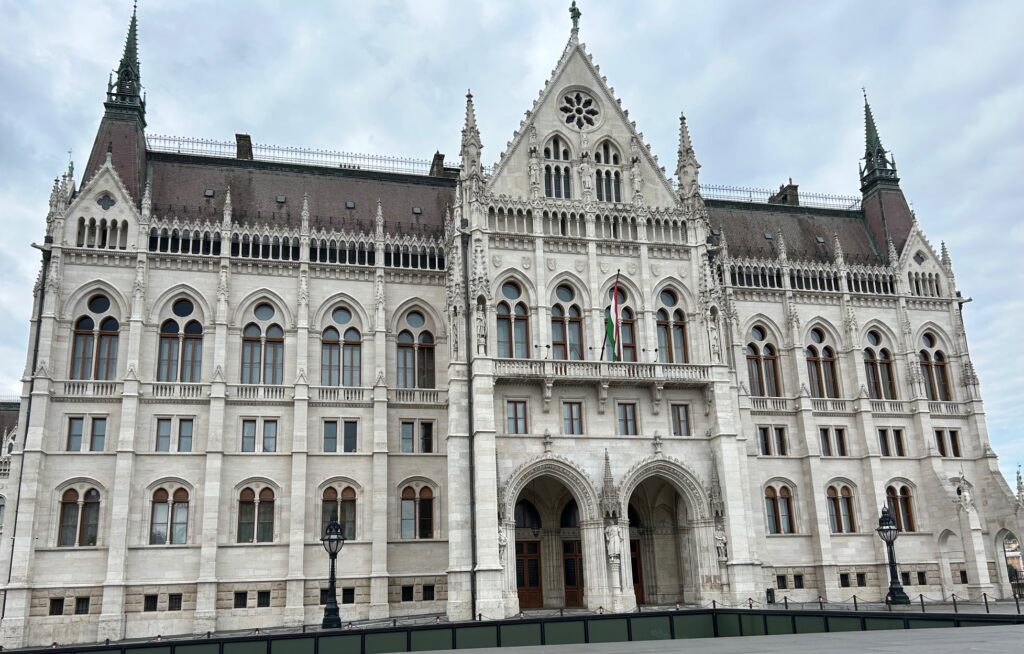
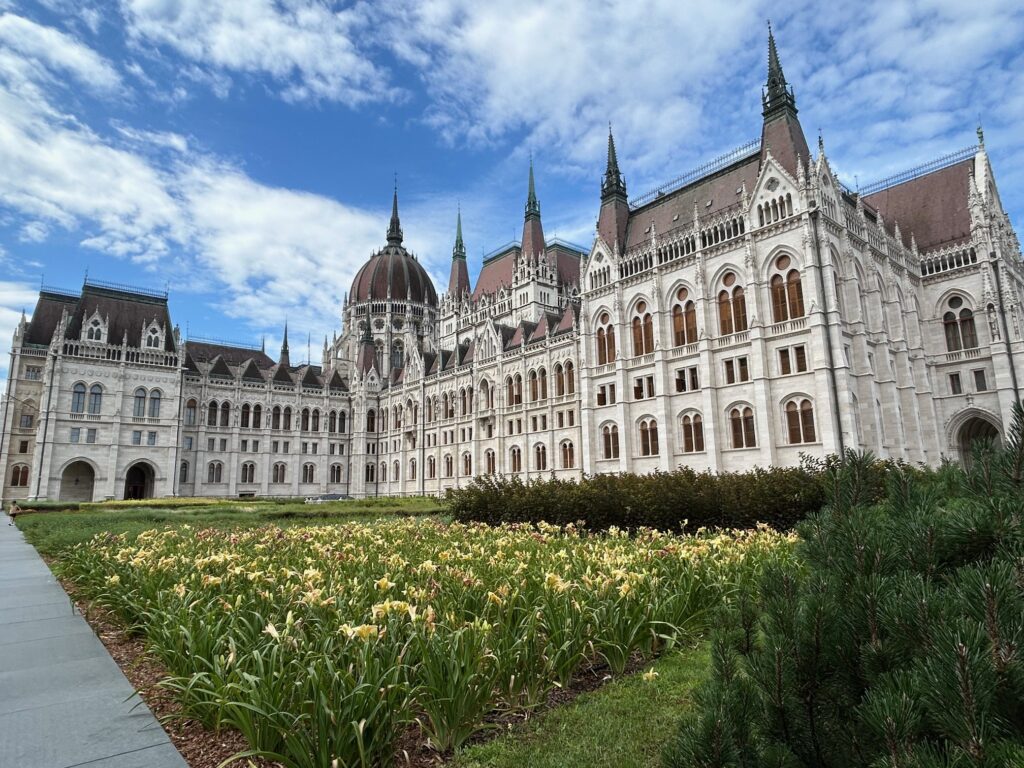
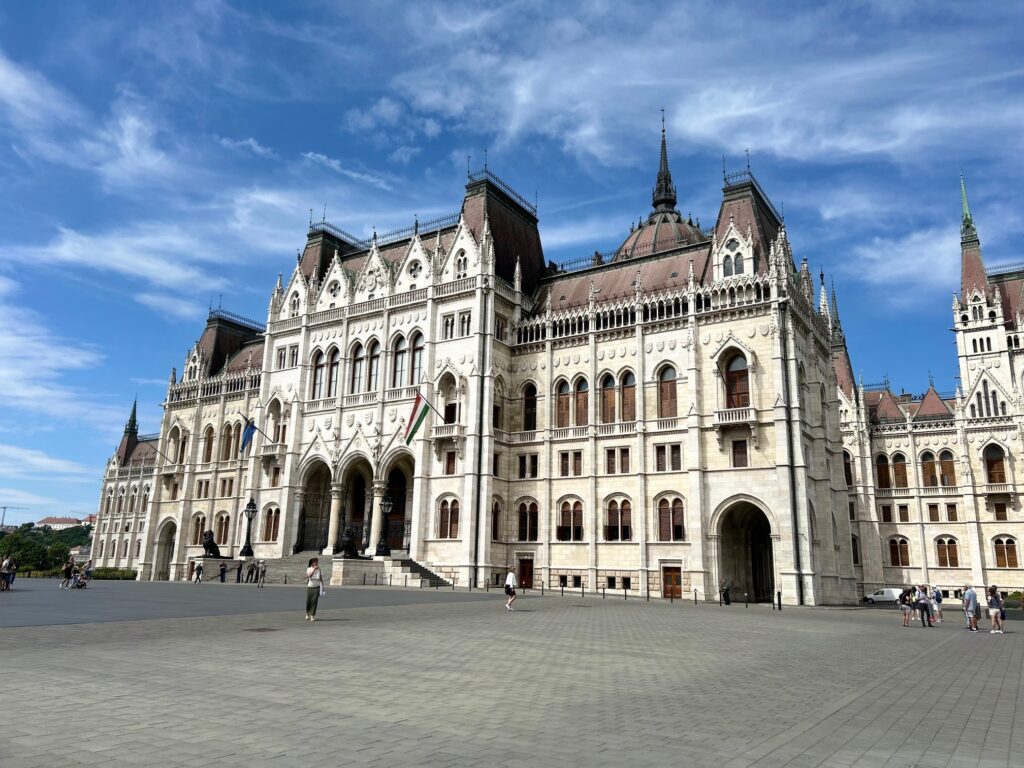
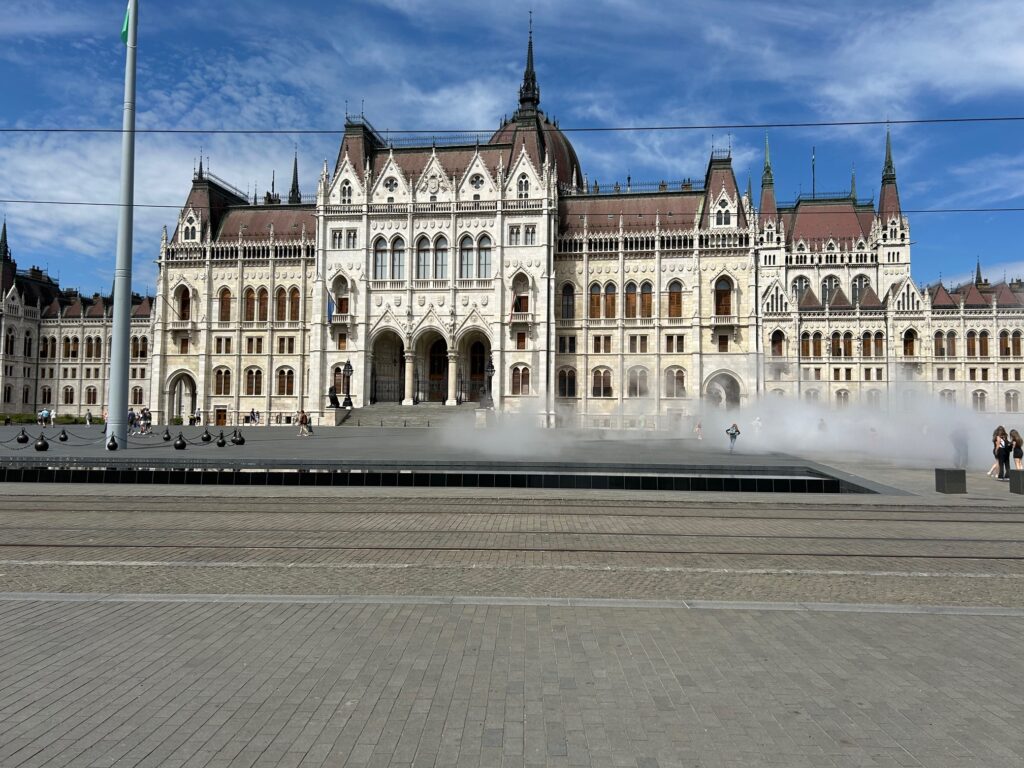
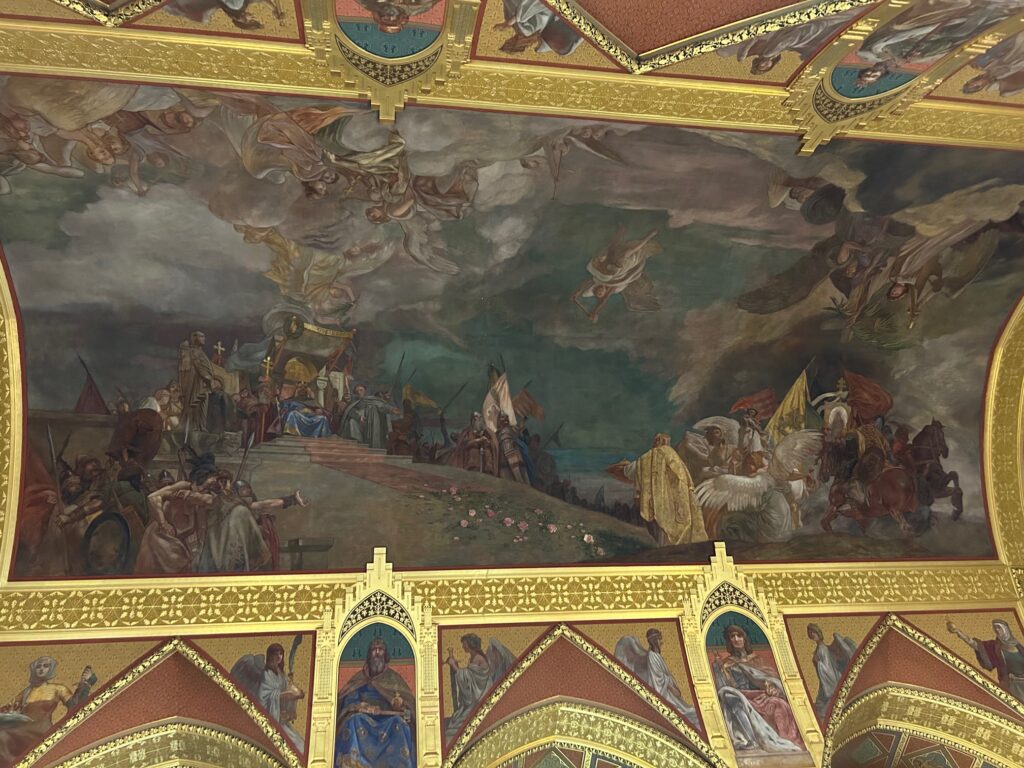
The interior of the building is no less stunning. I think you could probably walk for miles in it, but luckily our tour was restricted to the main functional areas. Mind you, the word functional is about the last that comes to mind when you enter these spaces.
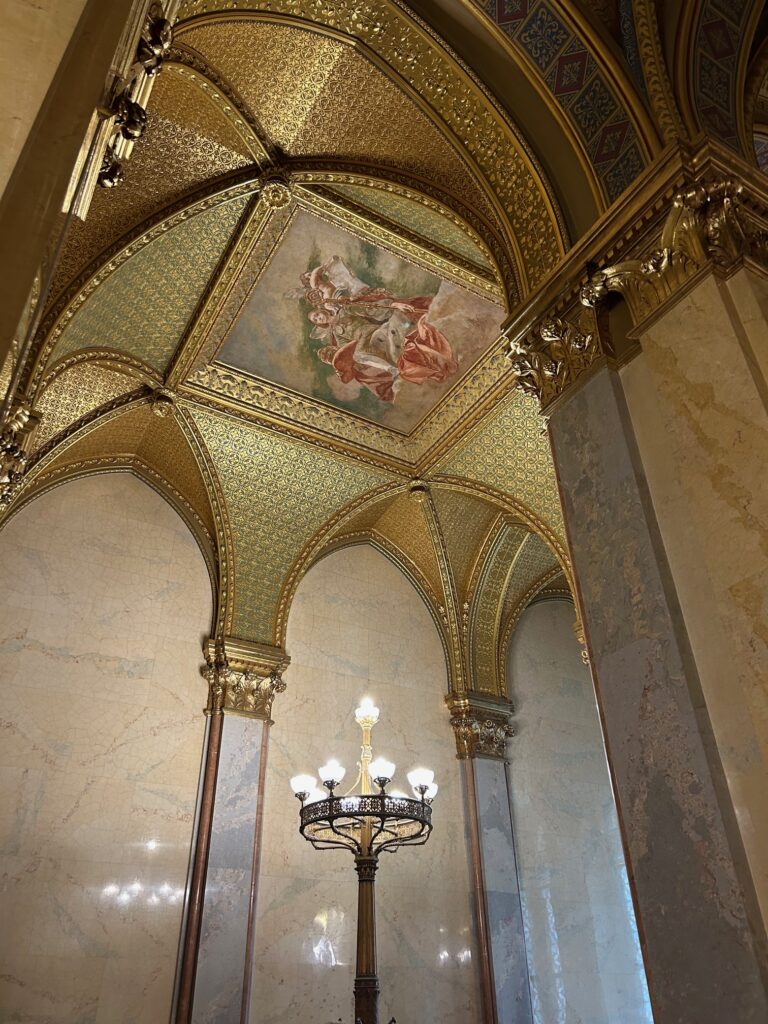
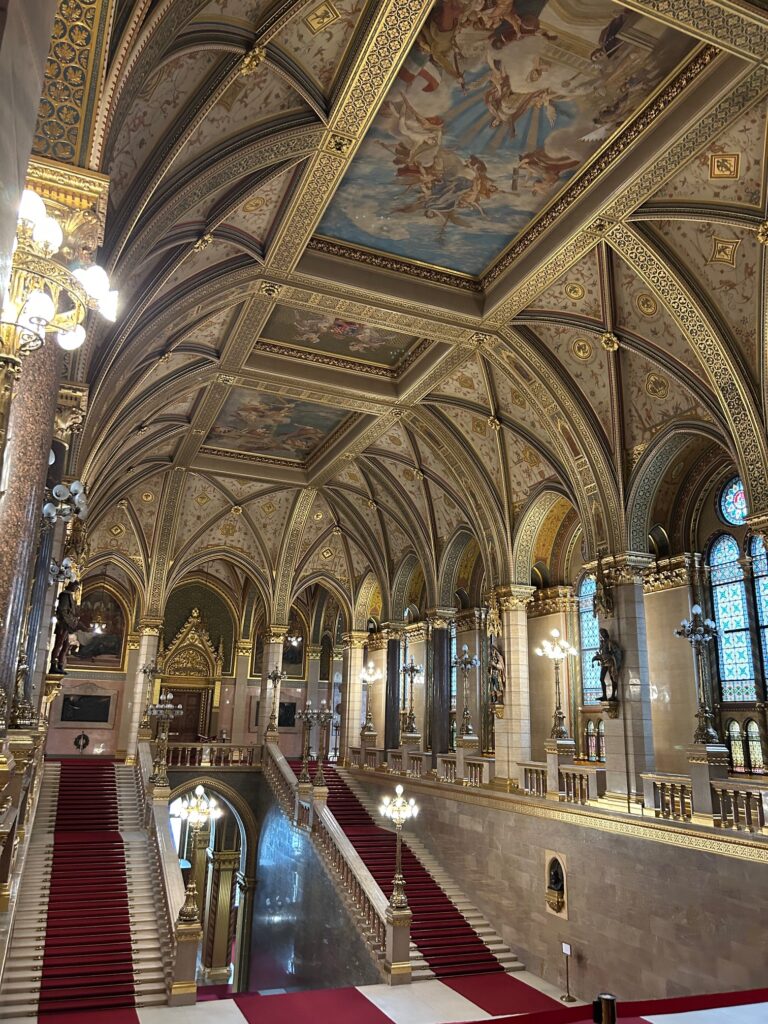
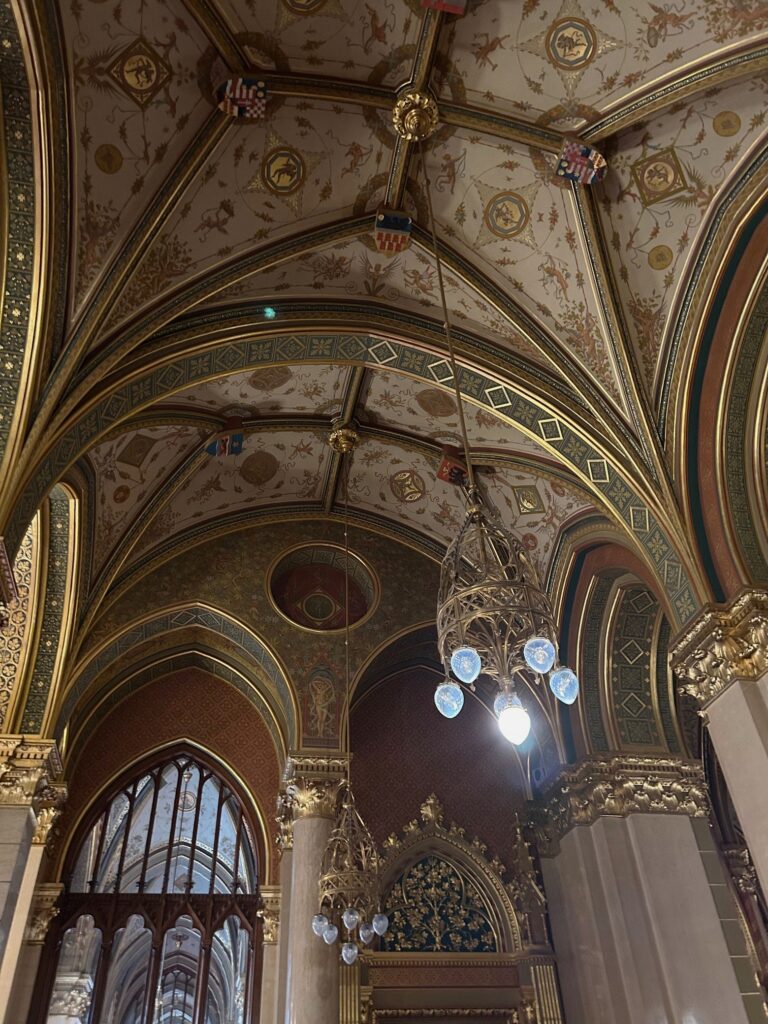
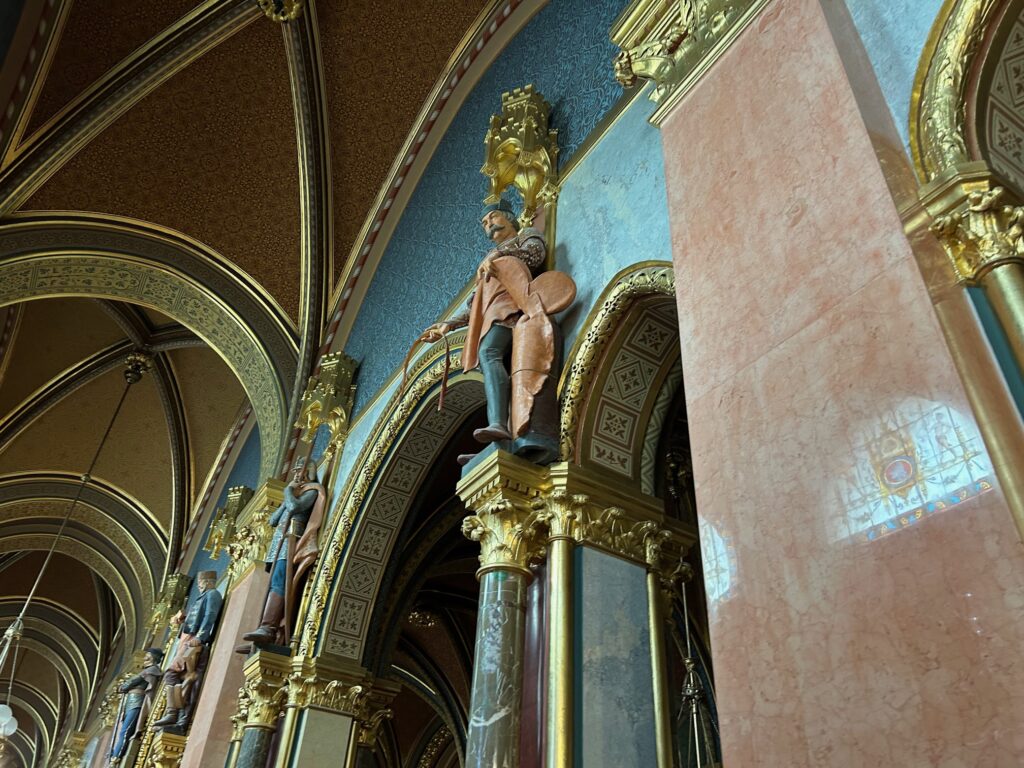

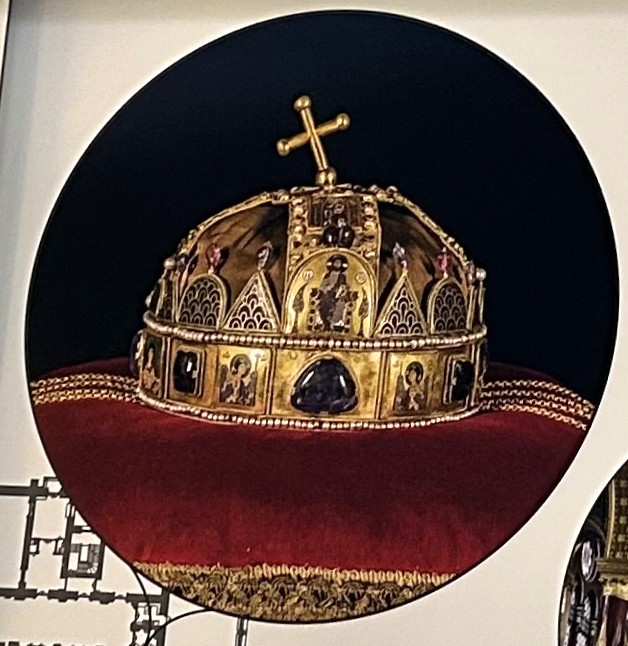
We were not allowed to take photos in some areas, including the cupola where the Szent Korona (Holy Crown) resides, so they put a photo of the crown in the entrance for you to see in detail, including the wonky cross on it! It is believed to date from the 12th century so is not the same crown presented to St Stephen in the year 1000, when he was crowned the first King of Hungary. Nevertheless, it is still known as the Crown of St. Stephen and is regarded as the legal symbol of Hungarian sovereignty. During 1945 the fleeing Hungarian army handed the crown and accompanying regalia to the Americans for safe keeping as they did not want it to fall into Soviet hands. It was finally restored to them in 1978.
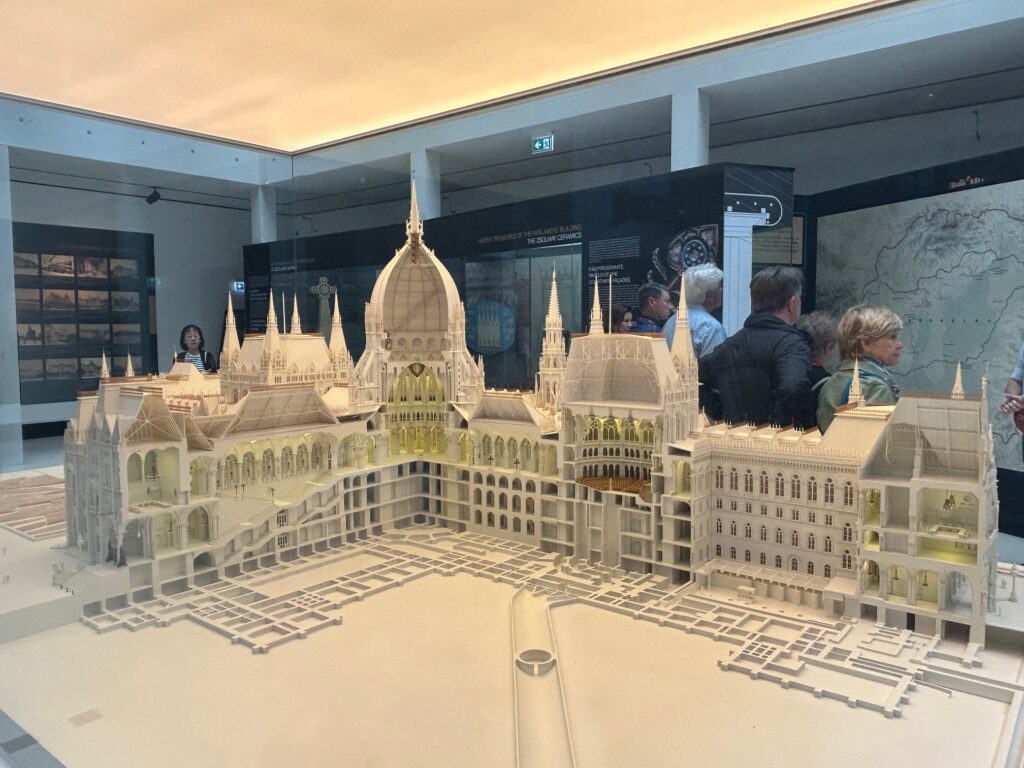
The cupola was built to be high and dramatic, and in the museum area a cutaway model shows how it is just a huge void.
There is also an interesting photo of a man taking on the dangerous job of changing lightbulbs in the chandelier.

The chambers are decorated with statues of Hungarian heroes, Kings and in some areas allegorical statues of people representing different trades and occupations, particularly from what looks like medieval times.


We also learned about what happened to Hungary during and after the 2 World Wars and how feelings still run high here about their massive loss of territory following that period. There is a map in the museum area which shows just how much. The red star that was symbolically placed on the cupola by the Soviets has since been removed and placed in the museum. Hungarians are fond of saying that the Russians liberated them from the Nazis but then forgot to leave.

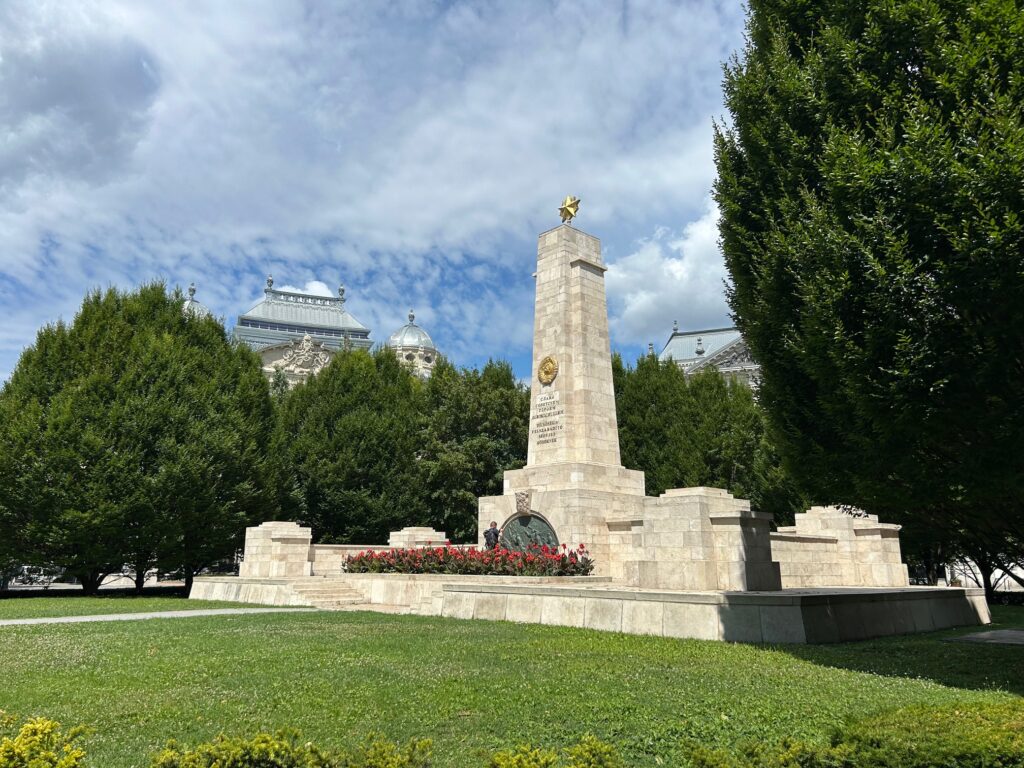
We also did a tour was called Panoramic Budapest which definitely lived up to that name. First stop was Liberty Square, which features an interesting mixture of statues, including Ronald Reagan’s.
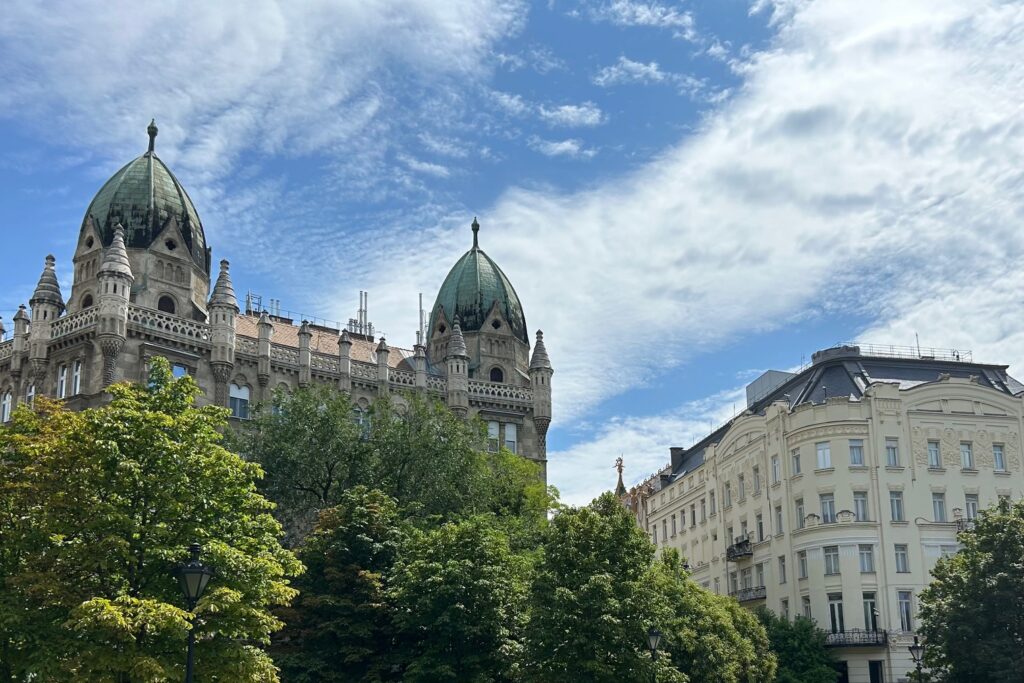
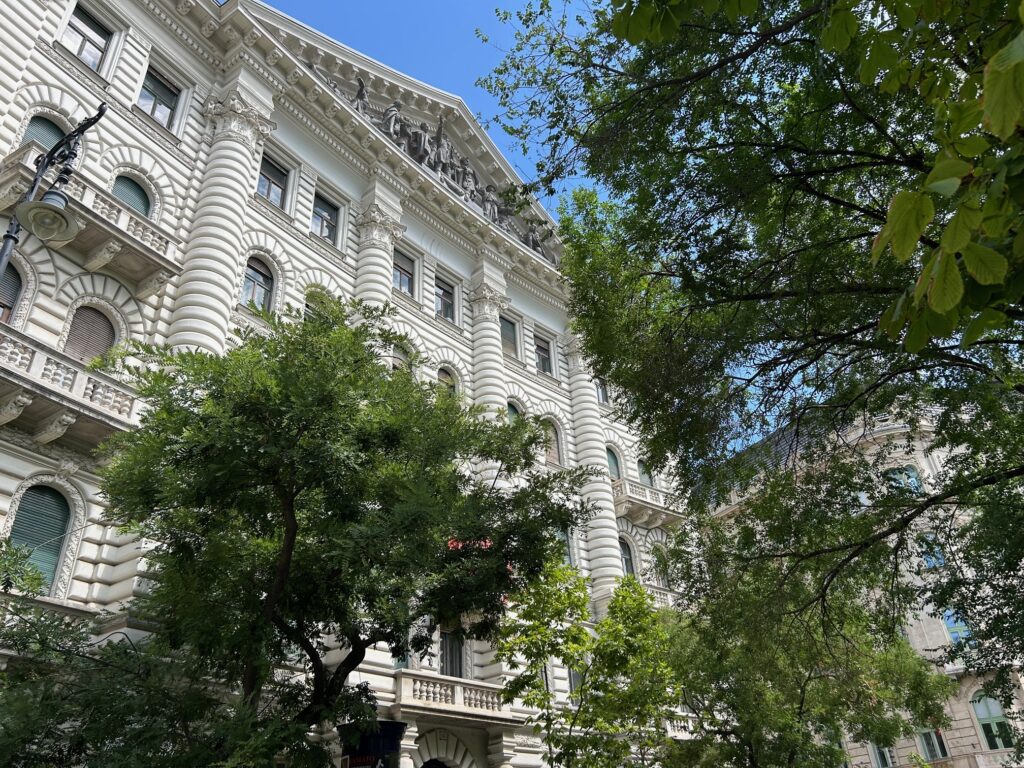
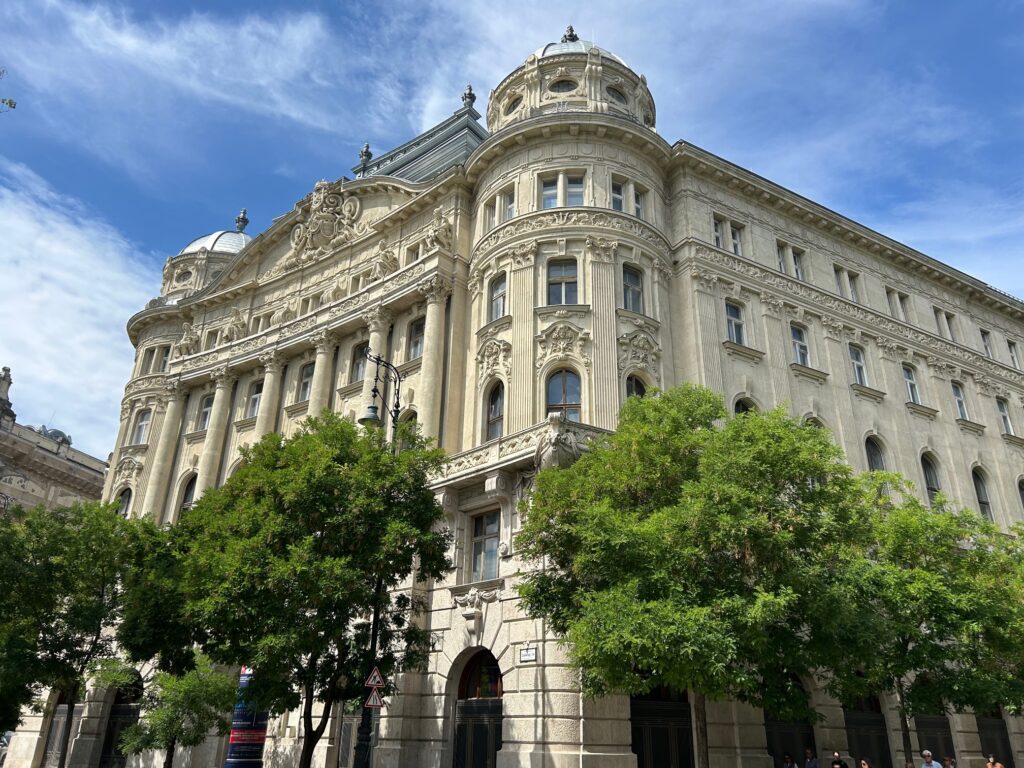

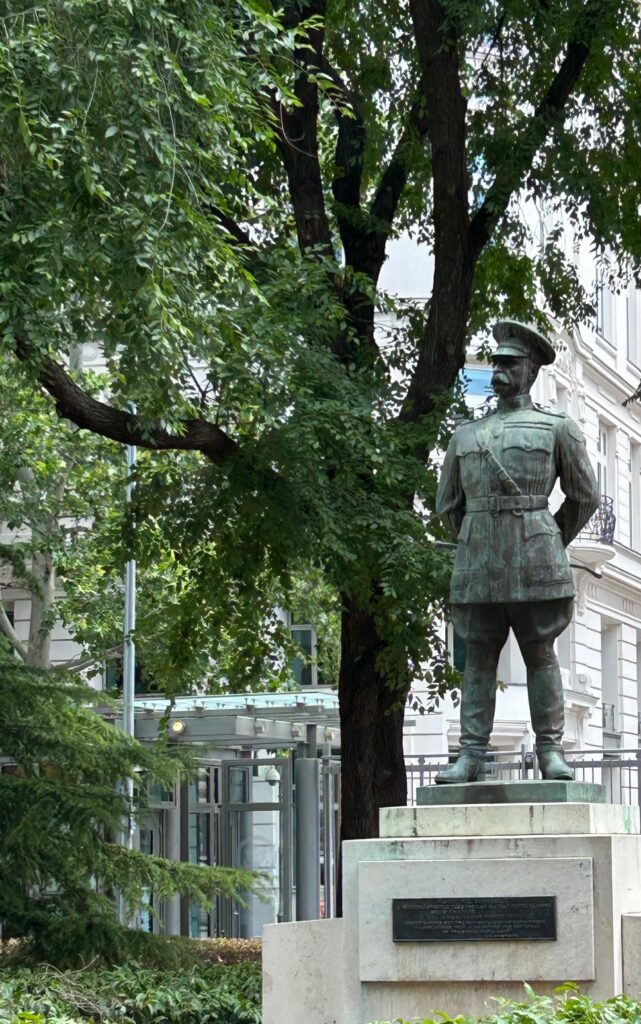
After Liberty Square we toured through the city heading for the Chain Bridge.

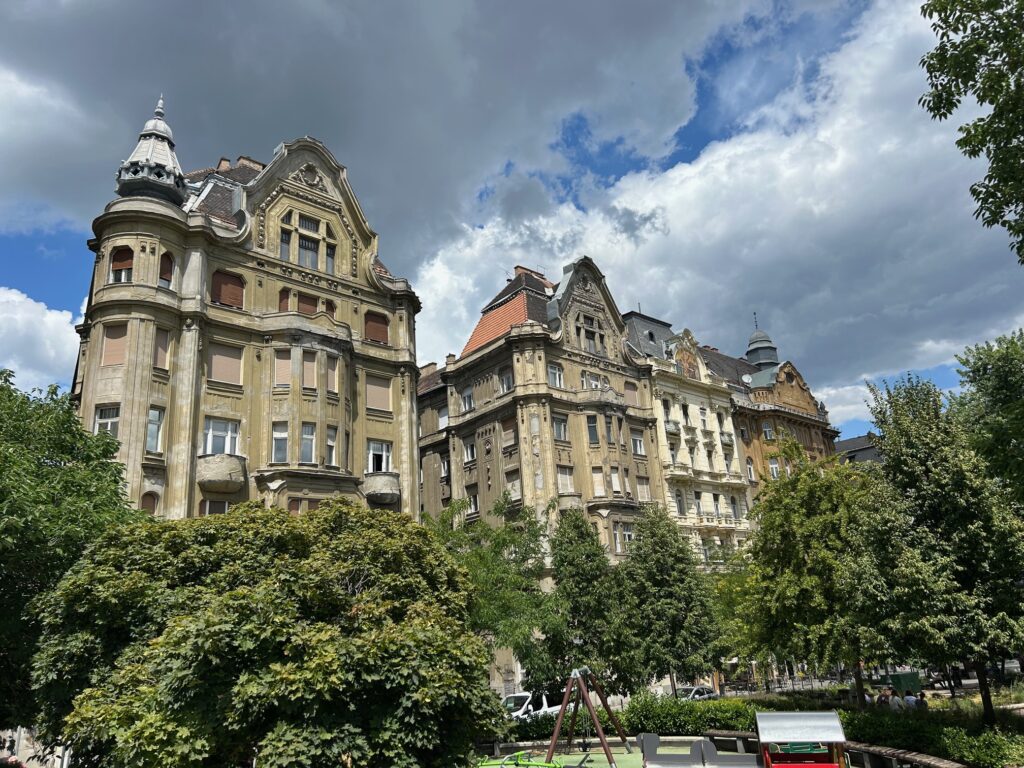
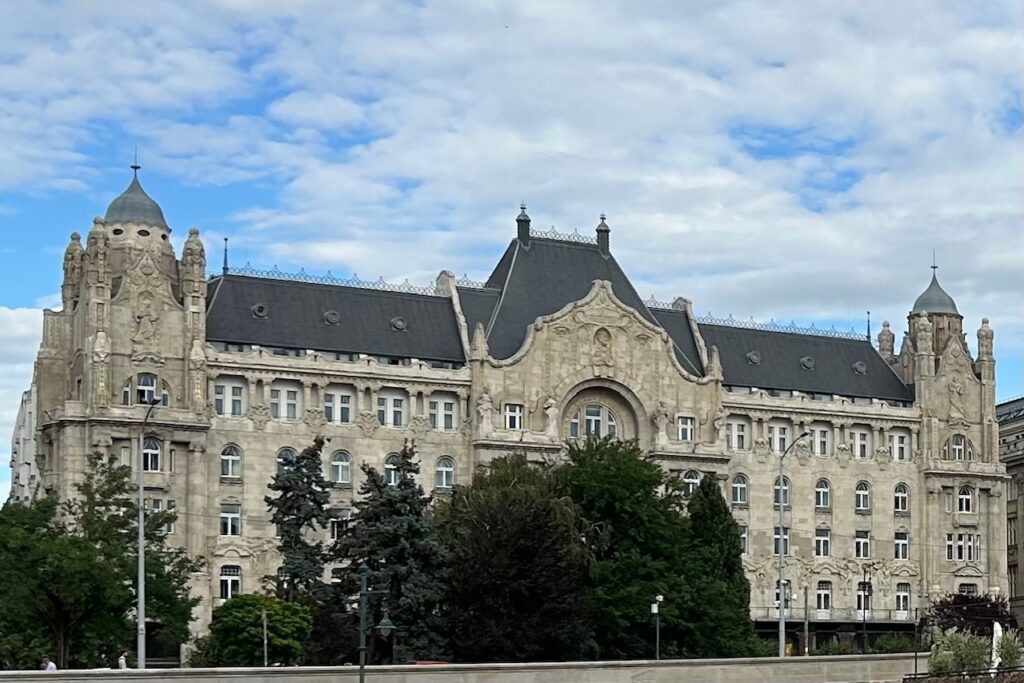


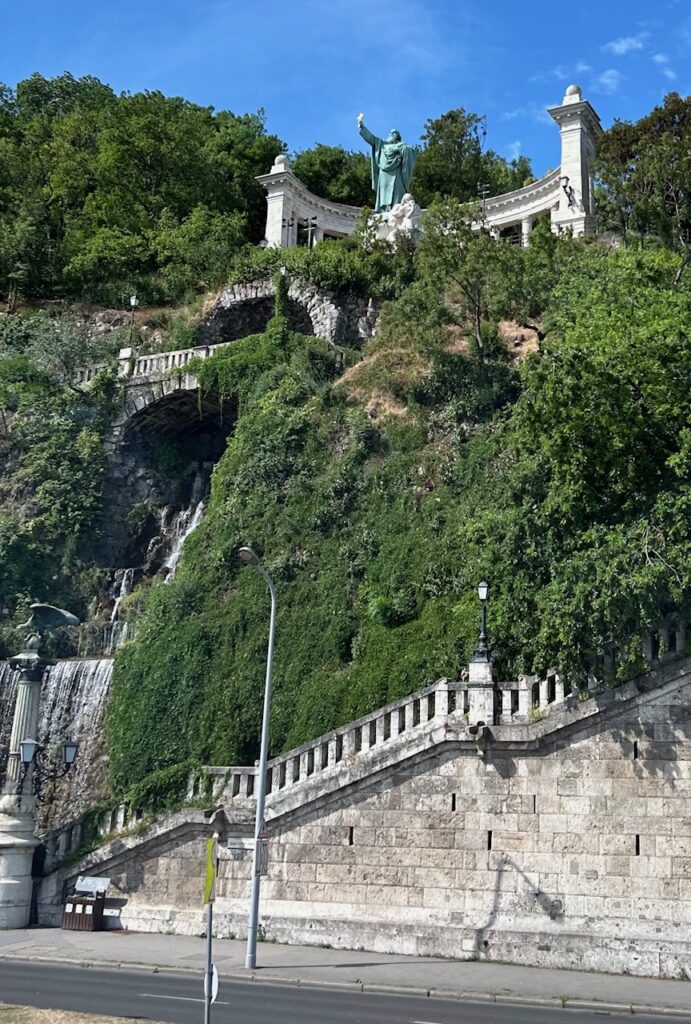
After touring Pest we crossed the Danube to Buda via the Chain Bridge and a tunnel to visit St Matthias Church and its environs.

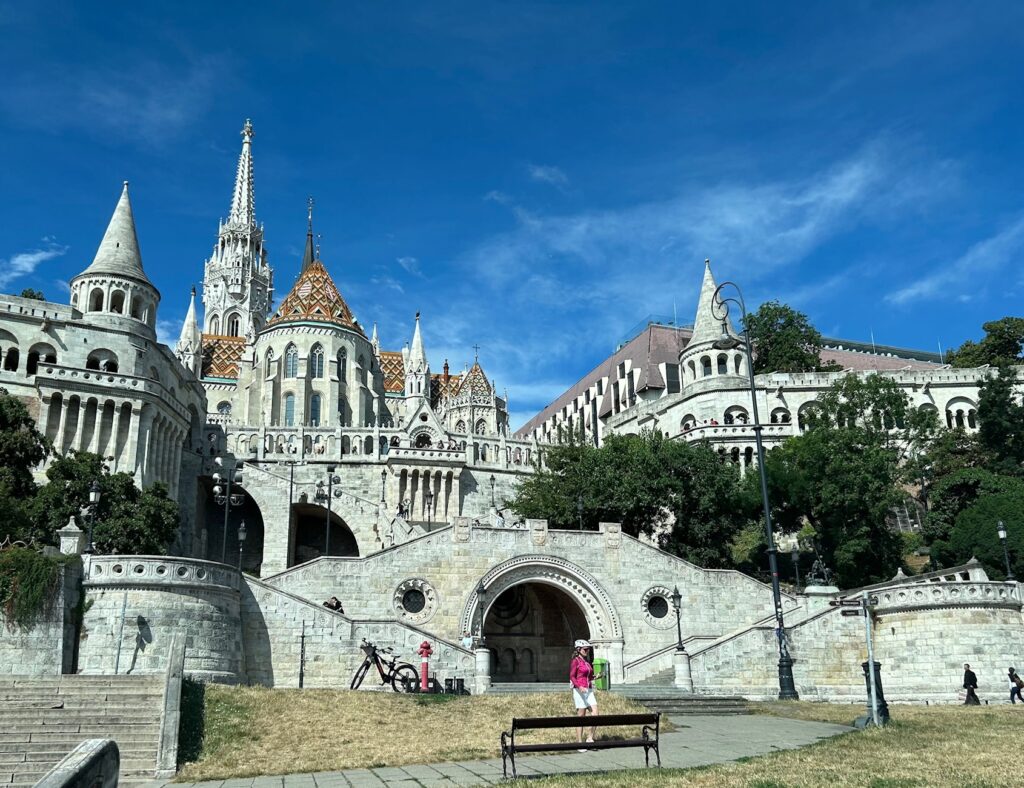
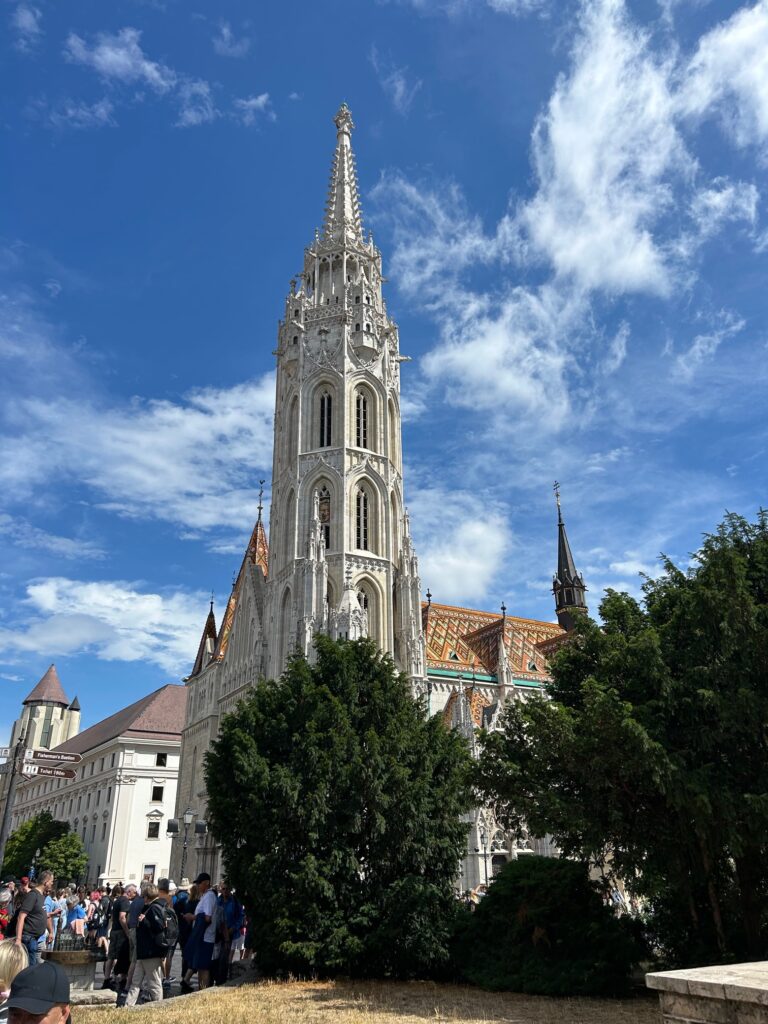
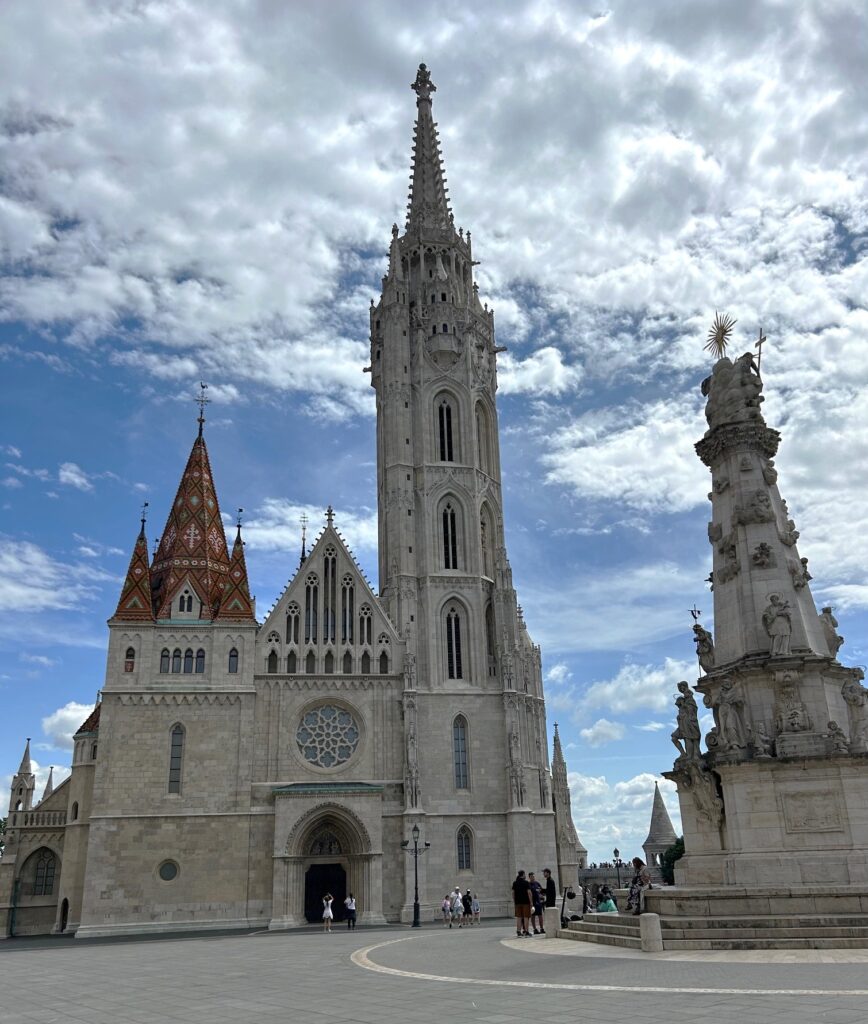
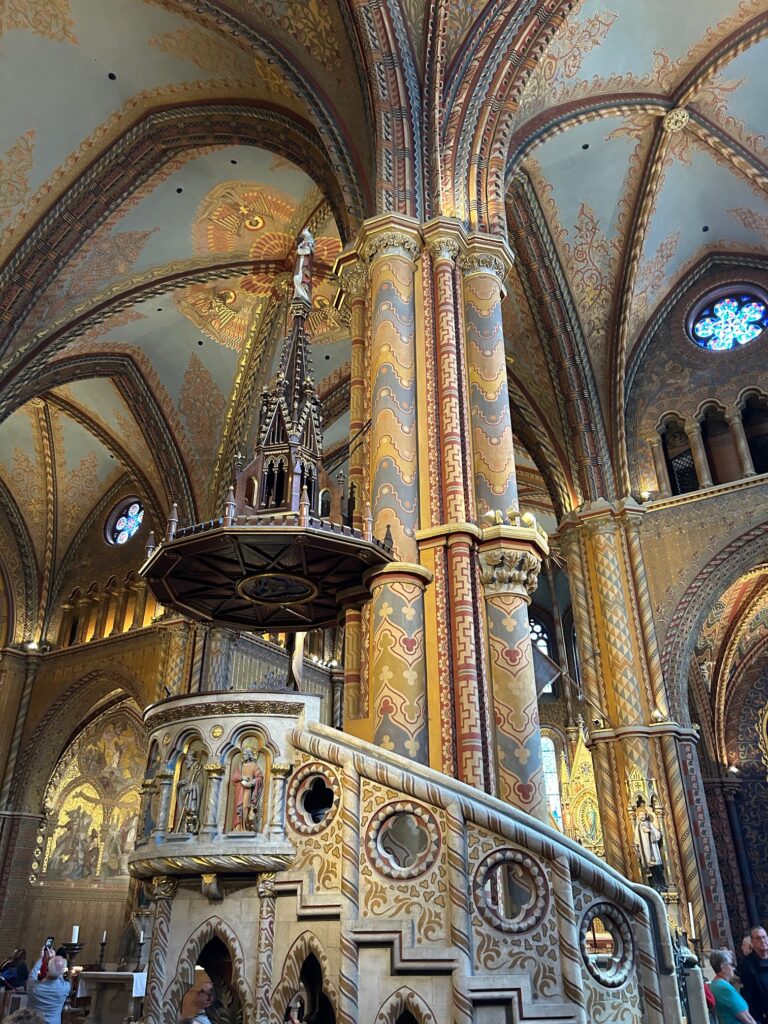
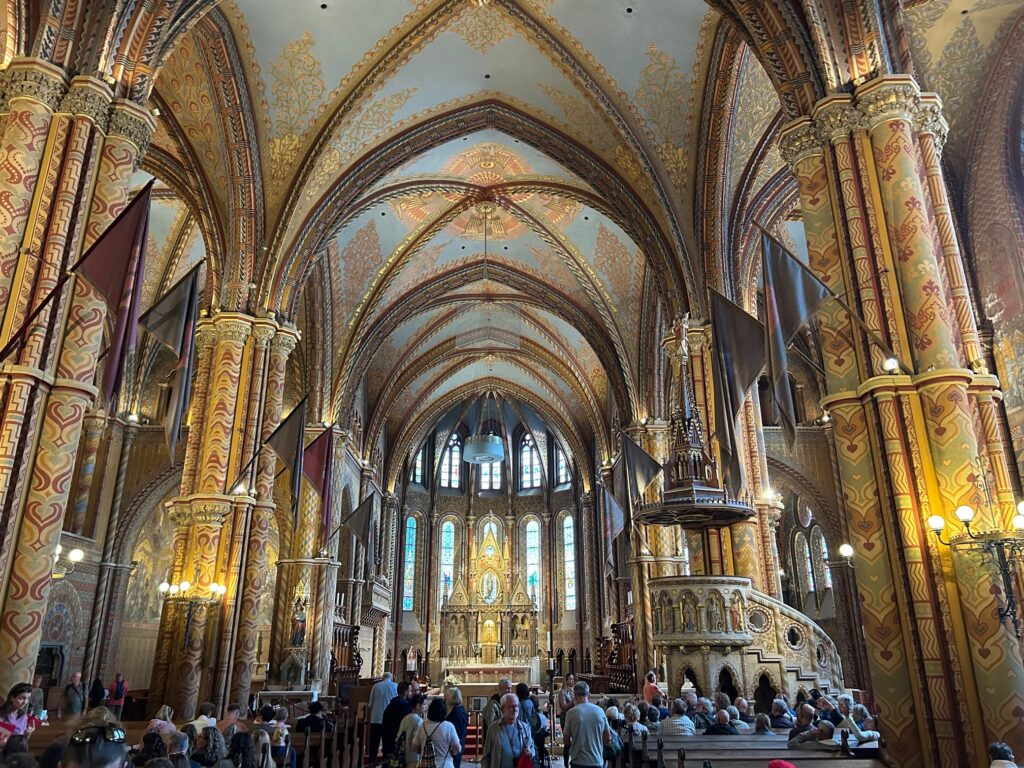
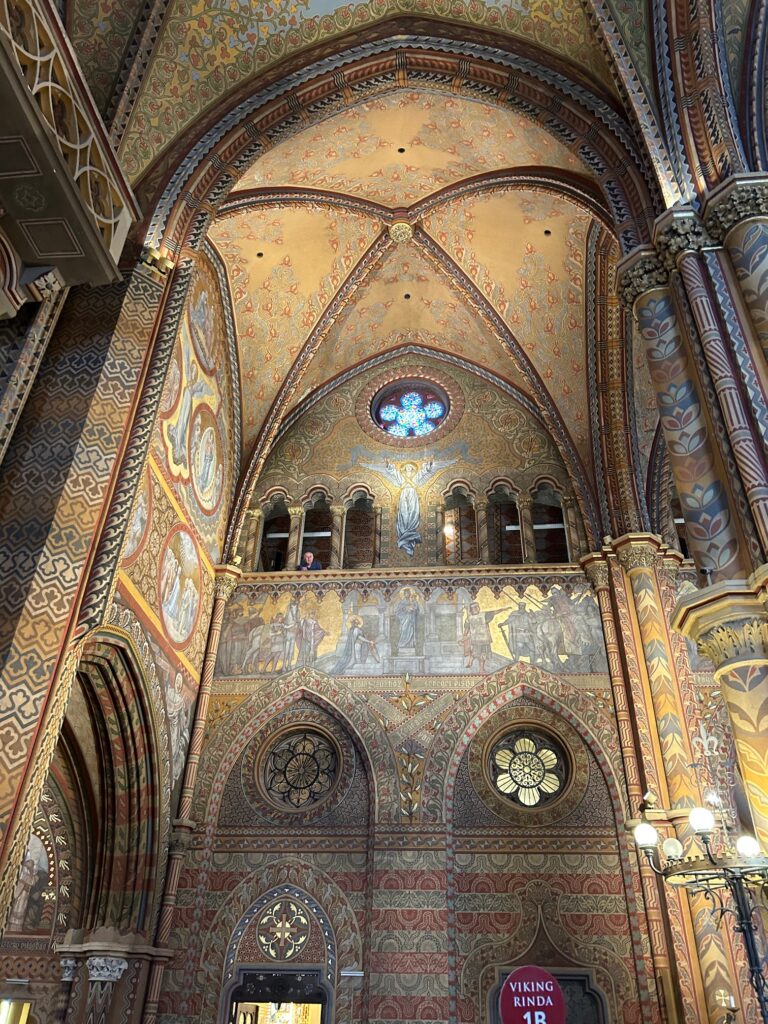
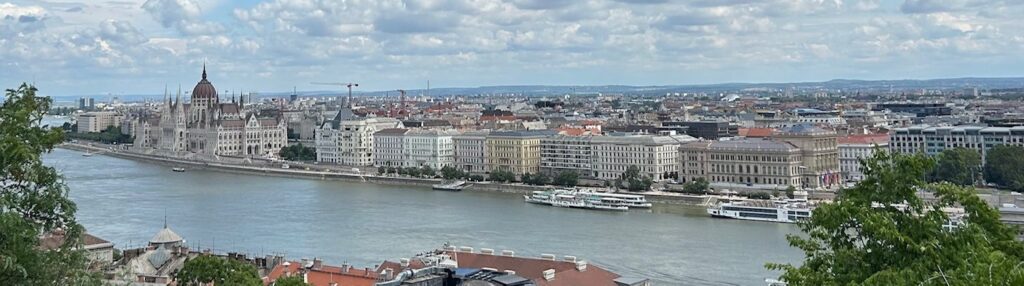
The church interior is incredibly colourful and the views back to the Pest side are spectacular.
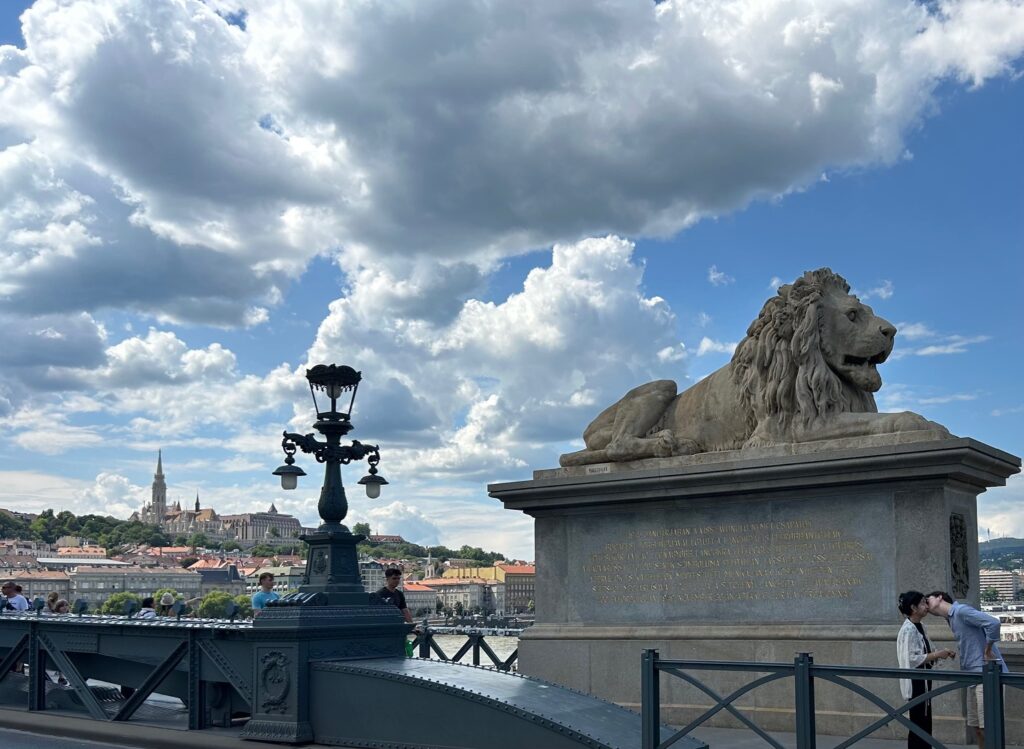
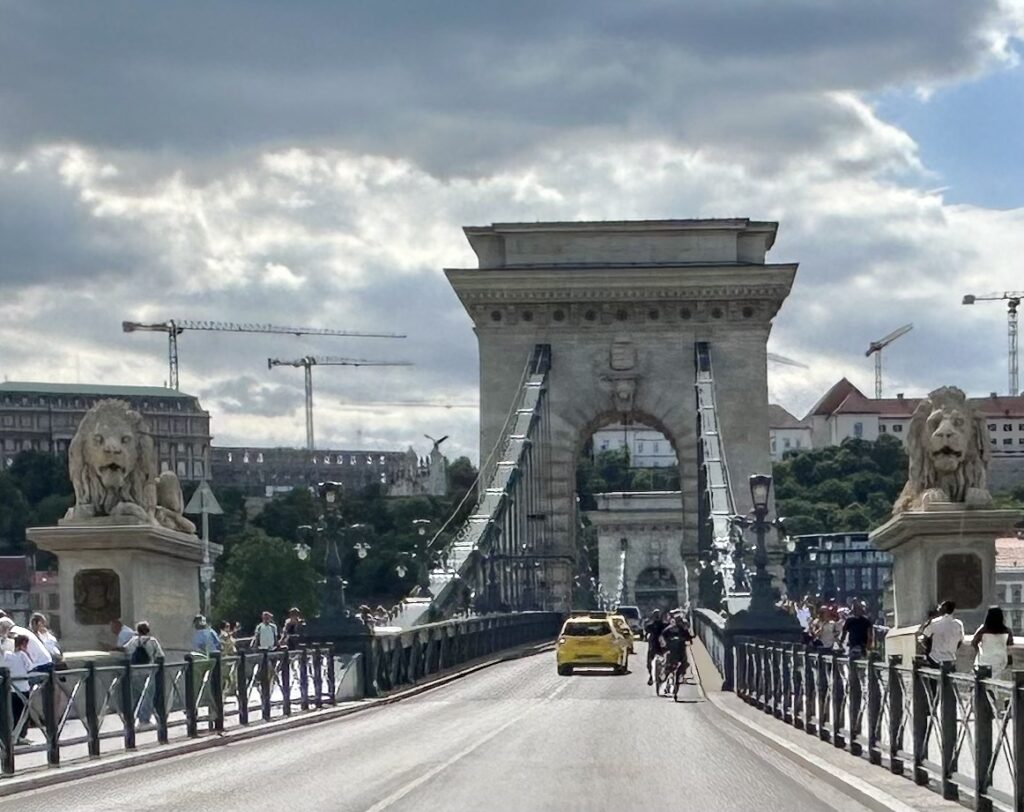
We travelled back over the Chain Bridge to our ship. This bridge was closed and covered with scaffolding 3 years ago during our last visit, so it was nice to see it uncovered and renovated, especially as we were berthed right next to it.

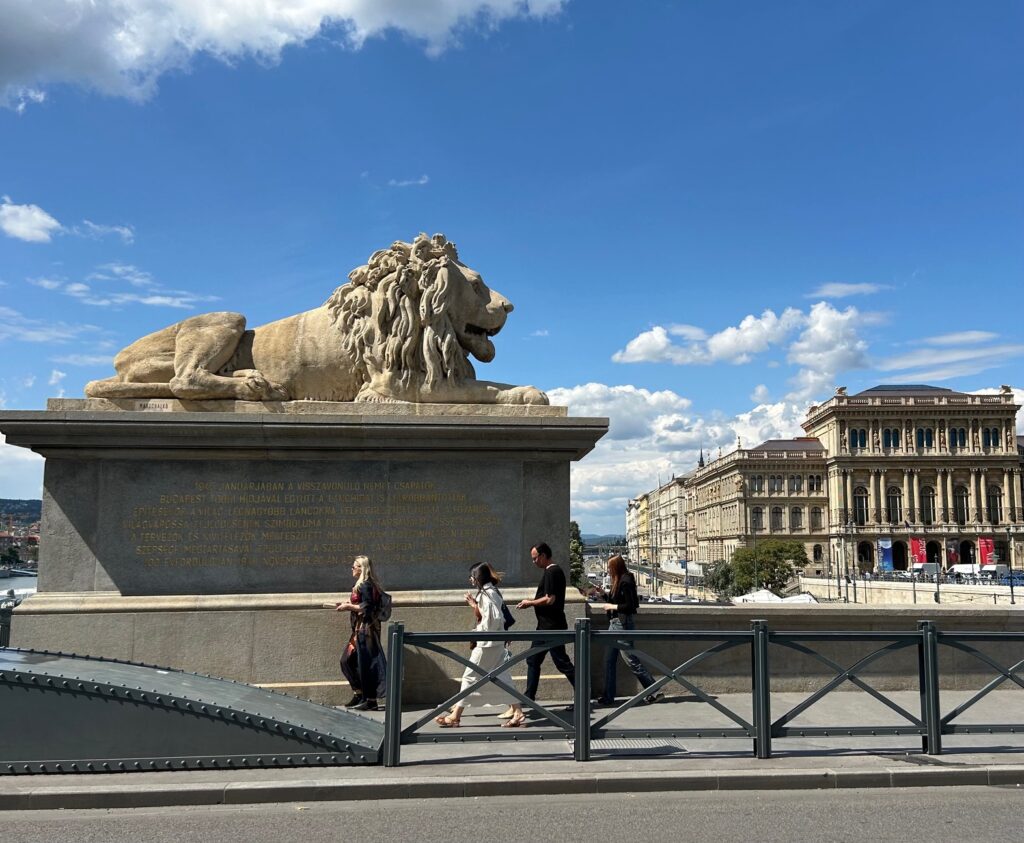
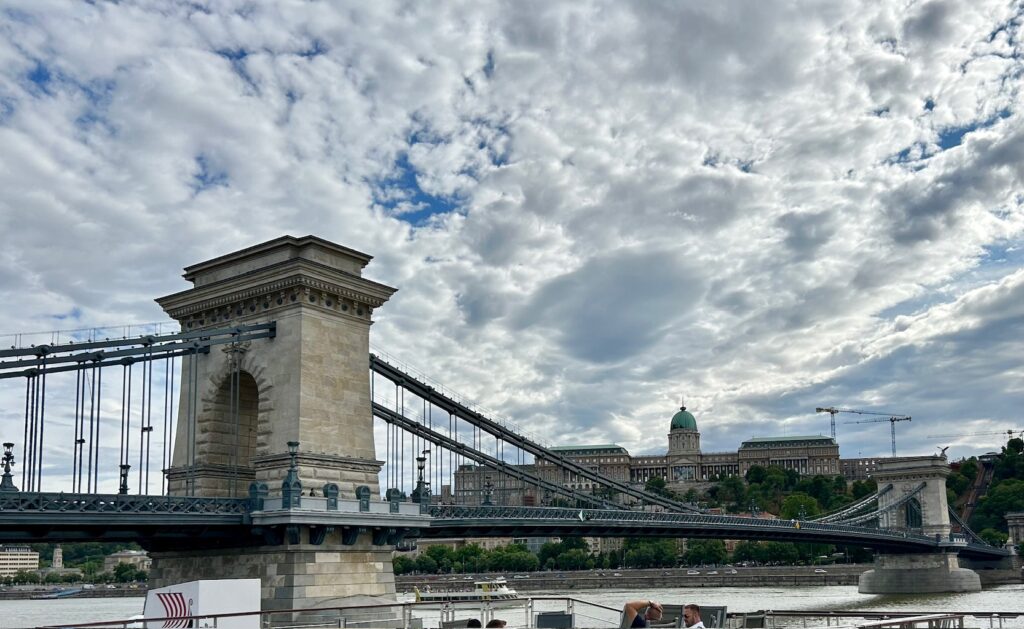
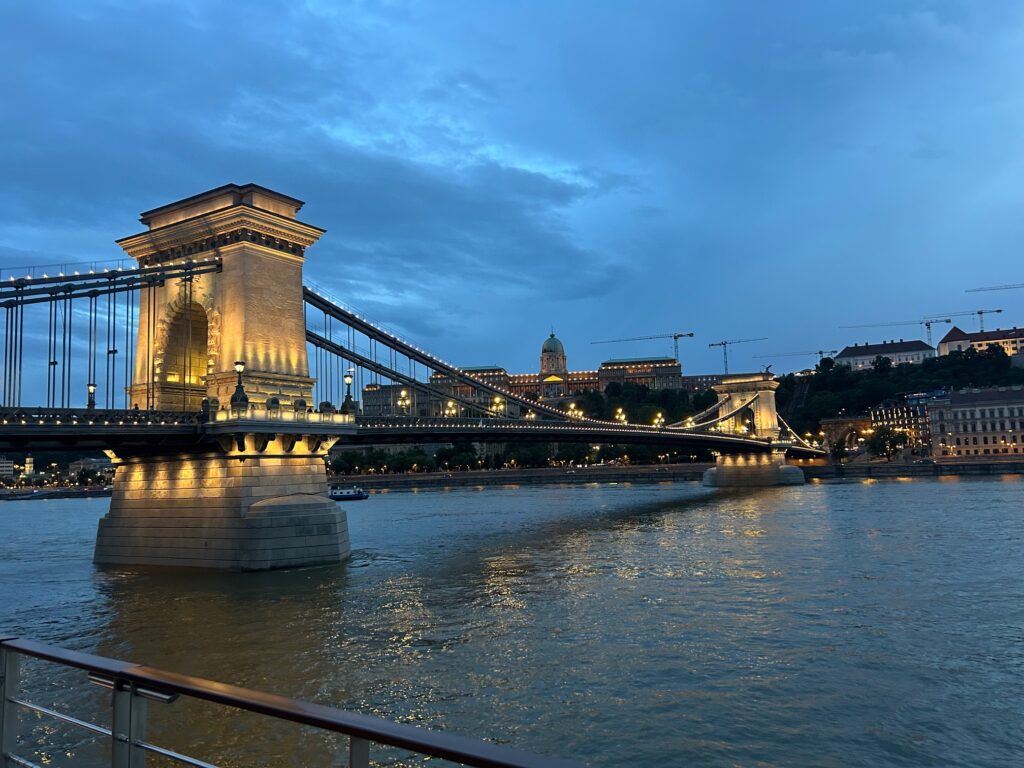
After a very enjoyable 2 days in this city we departed on the second evening, timed perfectly for the floodlit views on either bank of the Danube.


Then we were on our way down river to new towns, cities and countries as our cruise continued.