
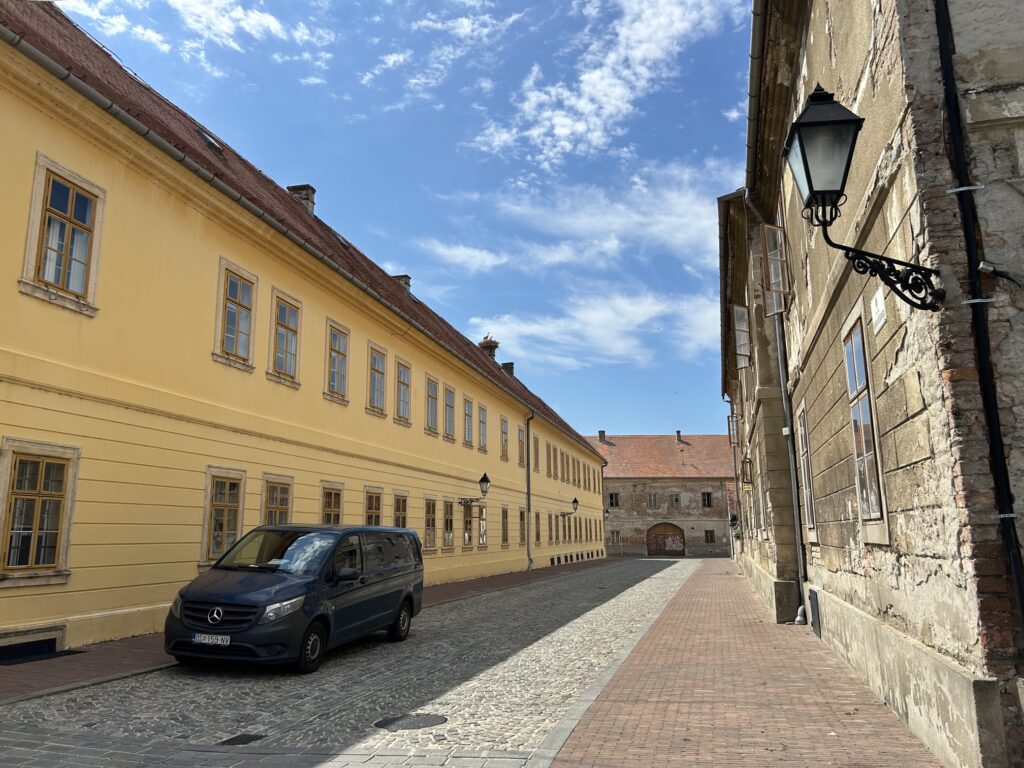
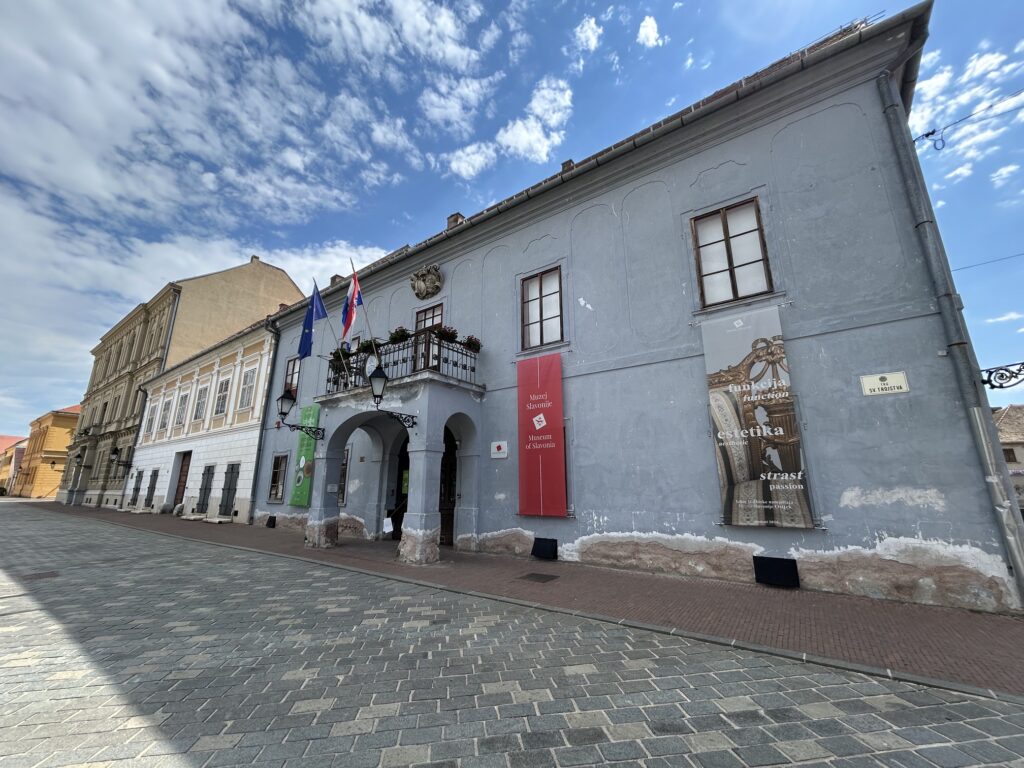
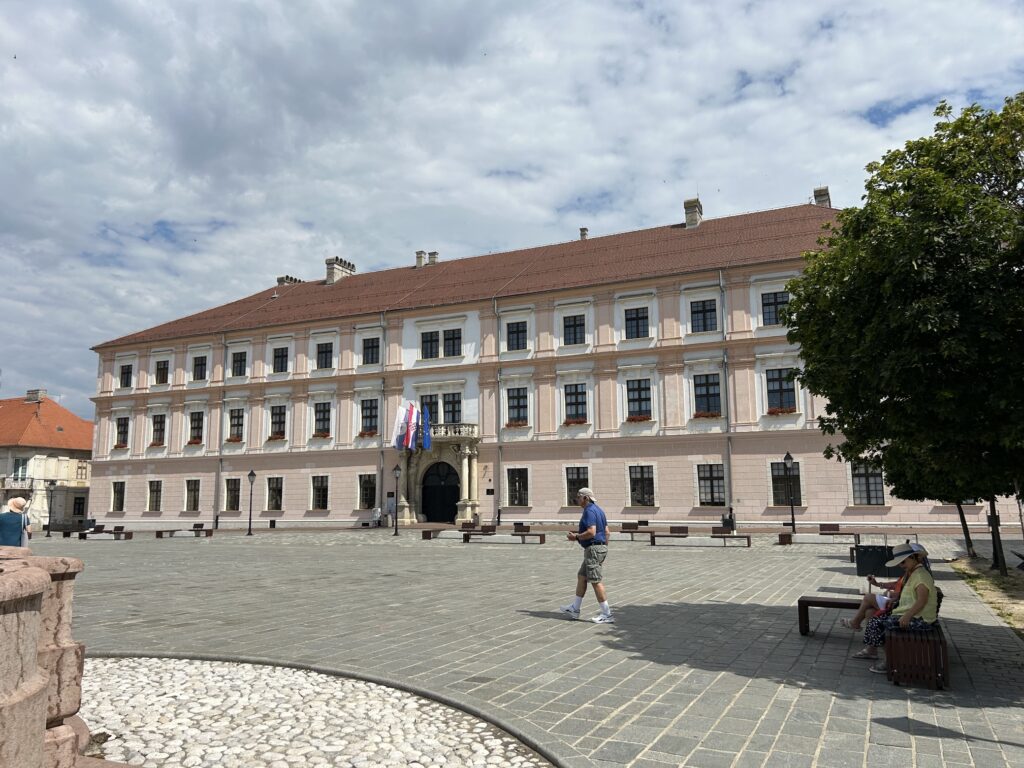
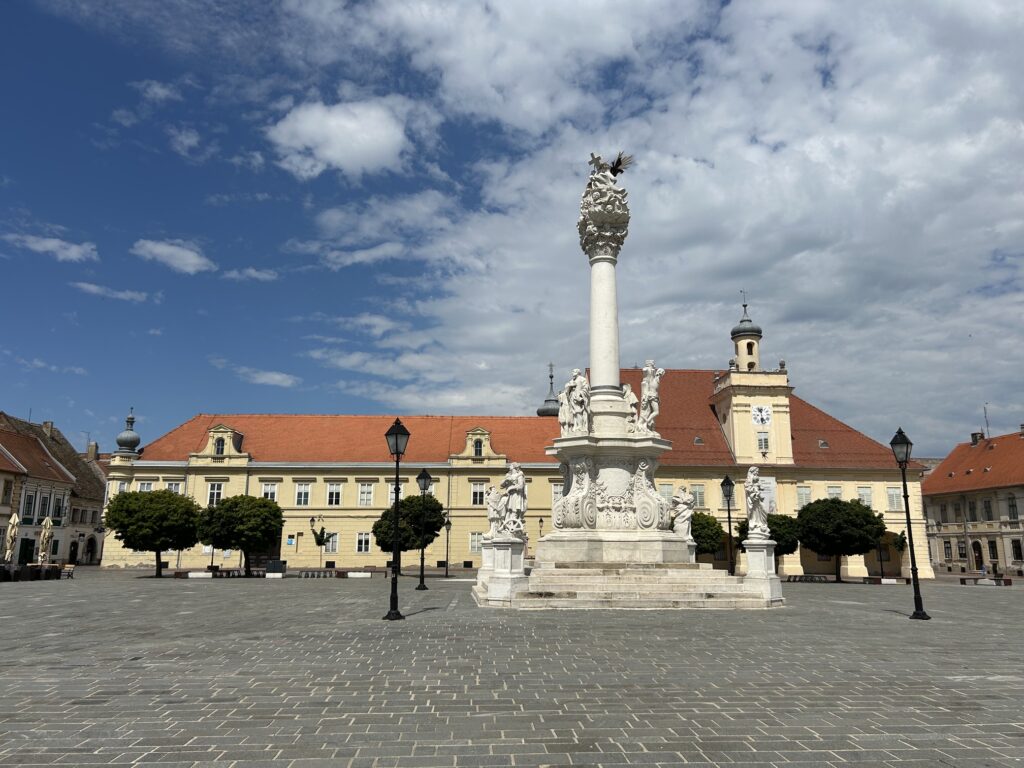
Continuing down the Danube we crossed into Croatia and moored in Osijek, Croatia’s largest river port. We took a walking tour around the citadel which has the largest number of best preserved 18th Century buildings in Croatia, finishing up in a baroque church where we were treated to a choir performance – unfortunately not translated, but still very enjoyable.

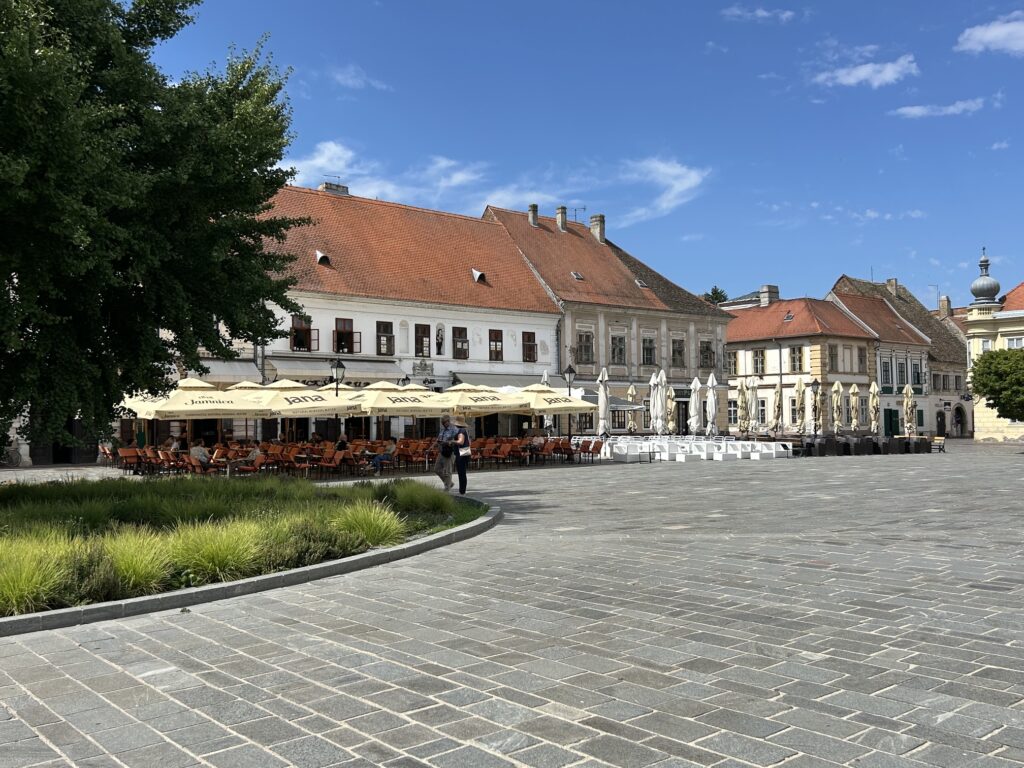
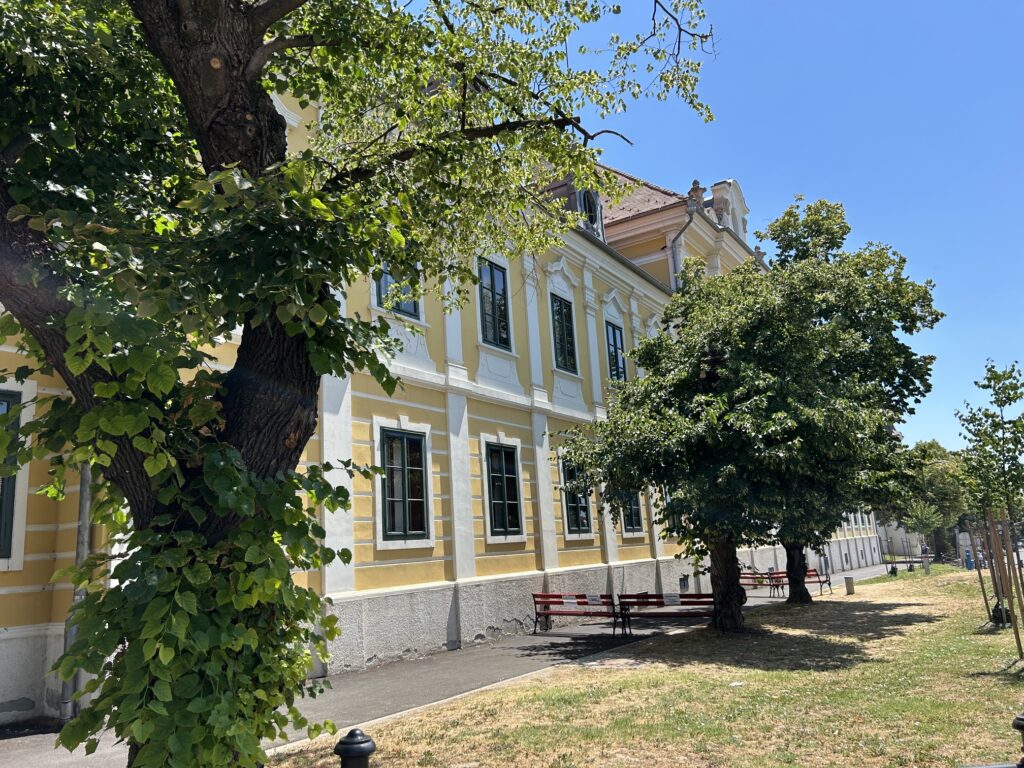
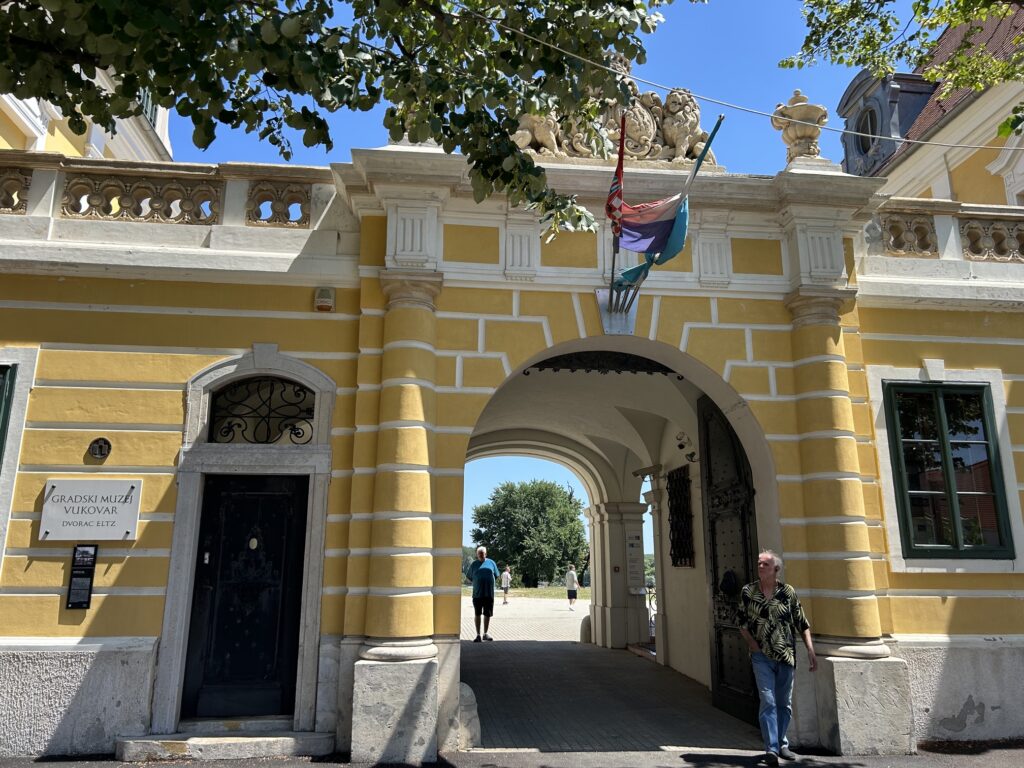
We were then taken to Vukovar – “The Hero City” of the Croatian War of independence, to visit the Eltz Manor Museum. This baroque building from 1751 was destroyed in 1991 but fully restored in 2011 and houses exhibits illustrating the long history of the area.
As you can see below, the mix of exhibits was eclectic to say the least!
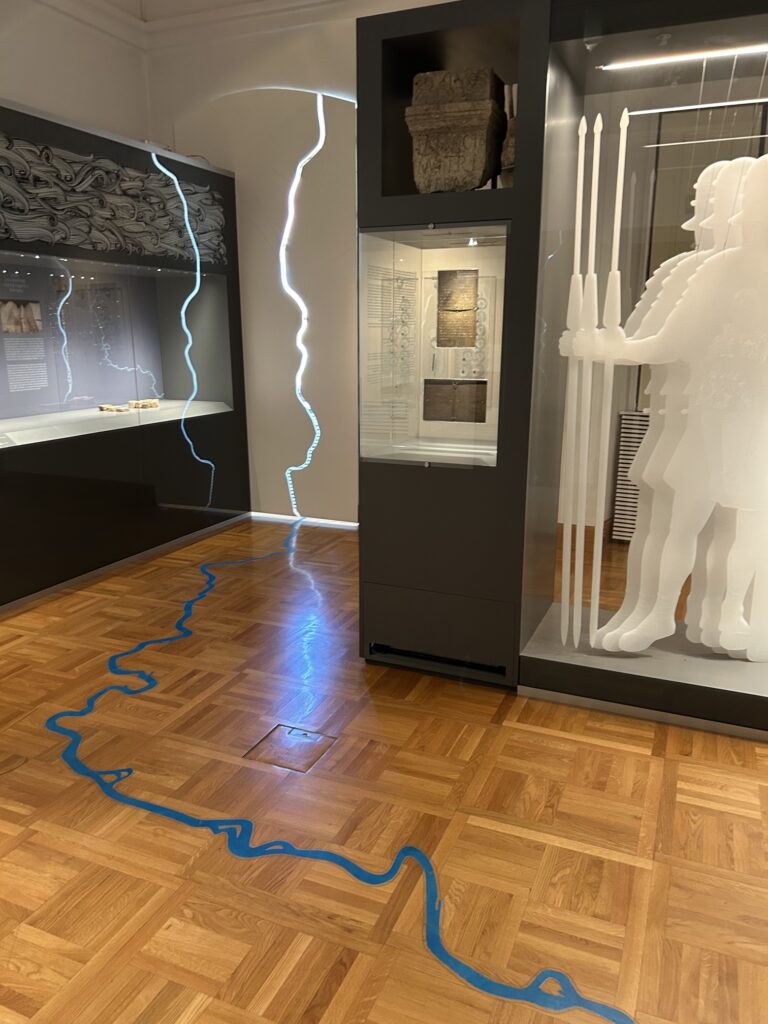
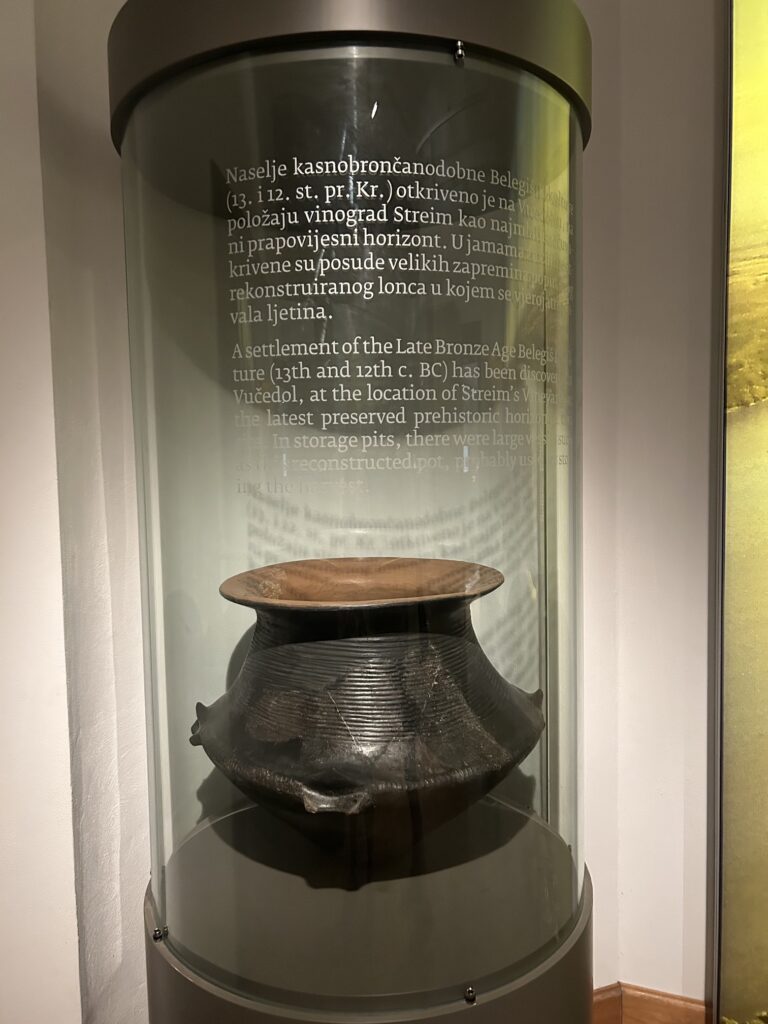
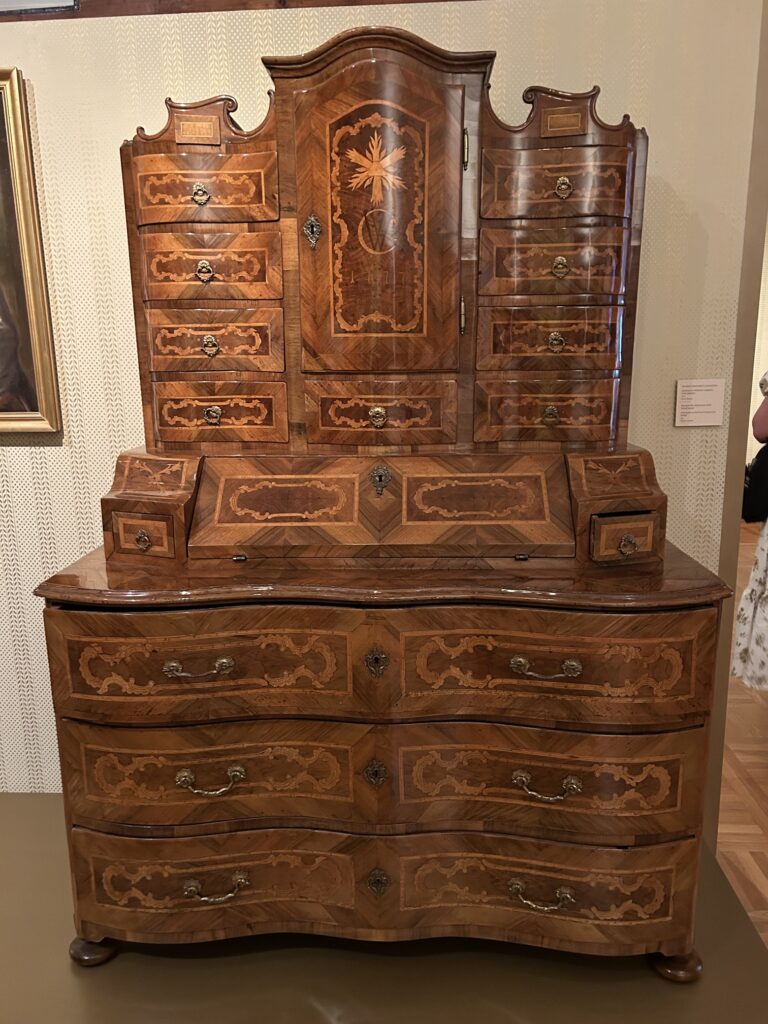
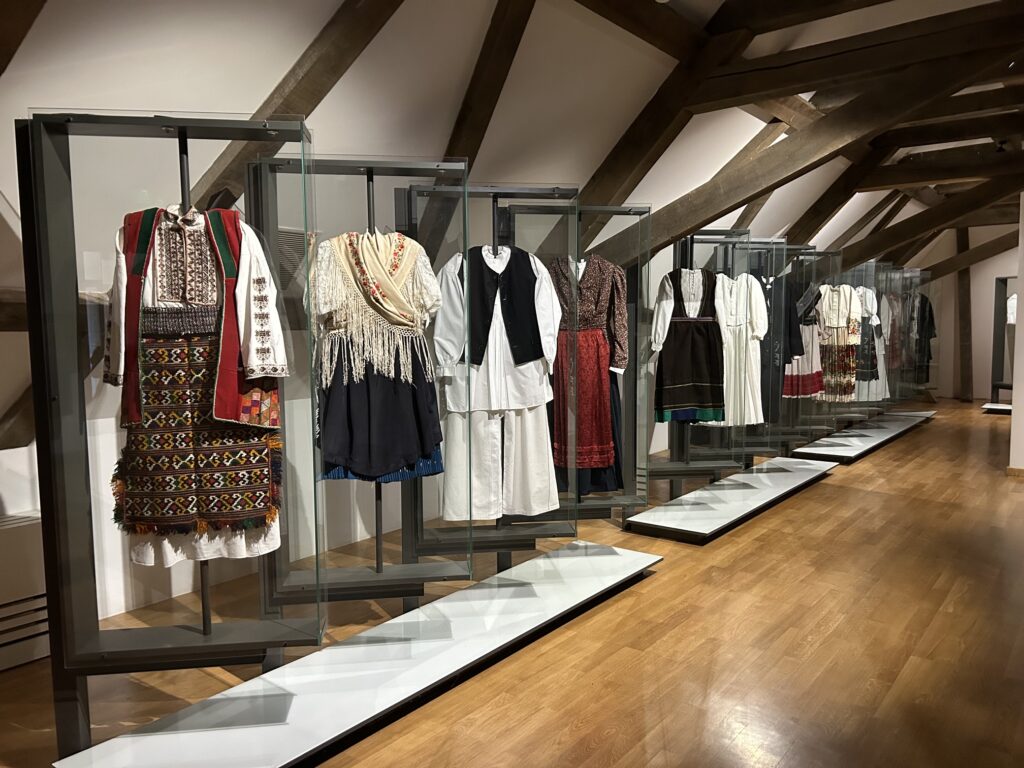
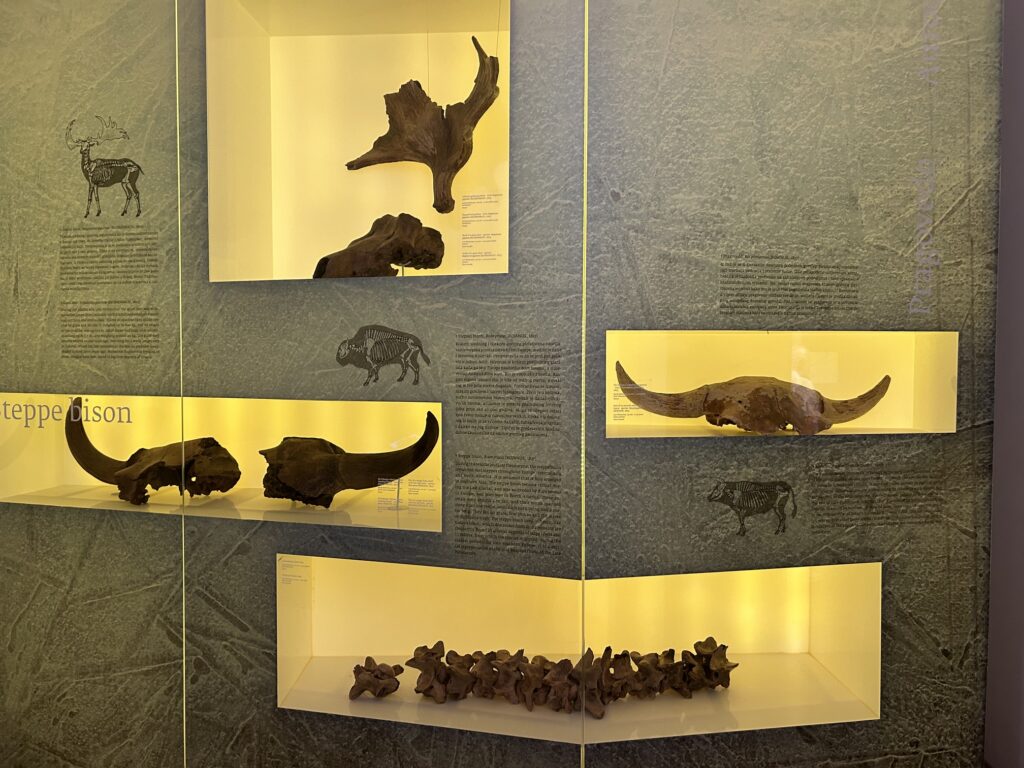
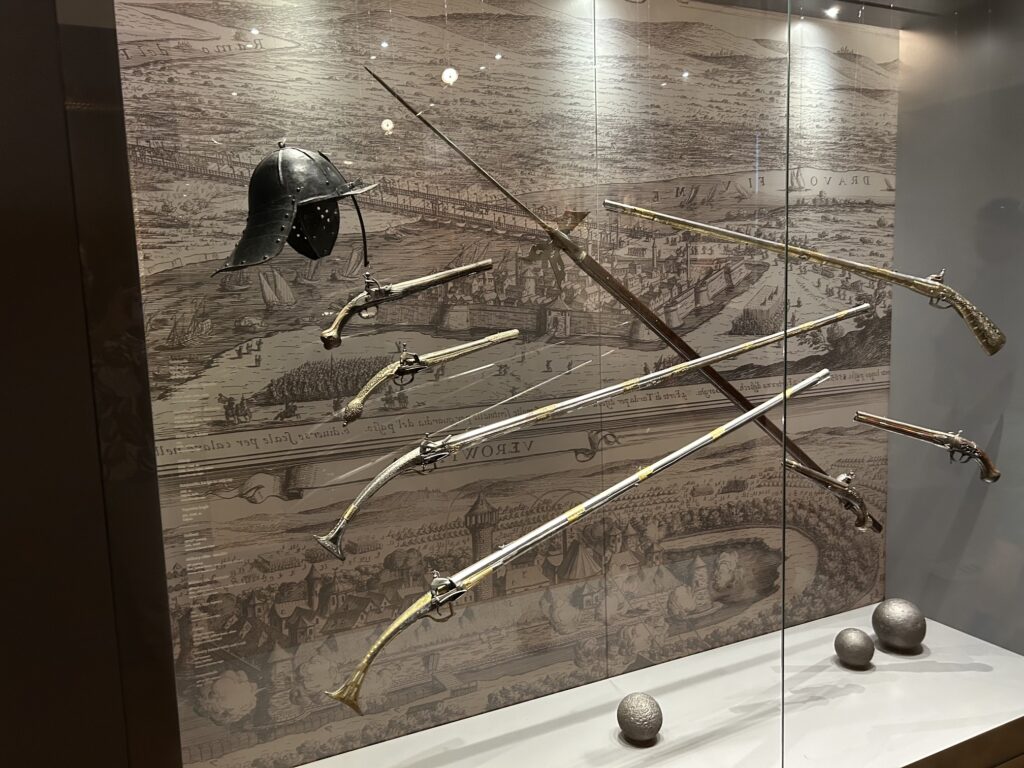
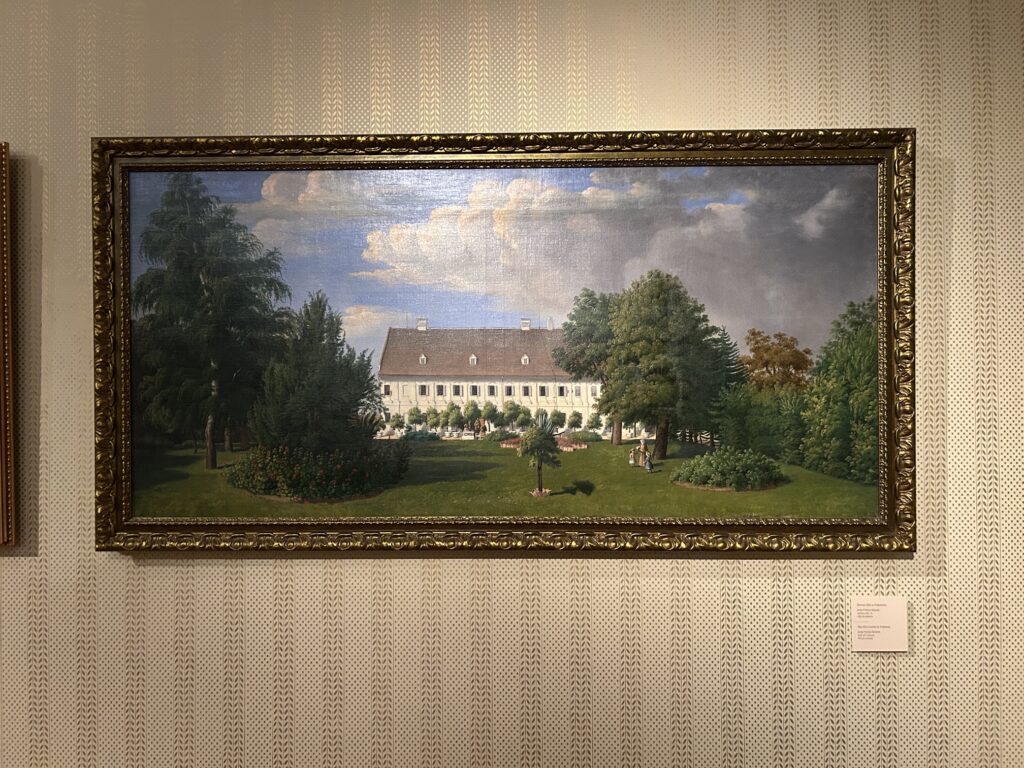
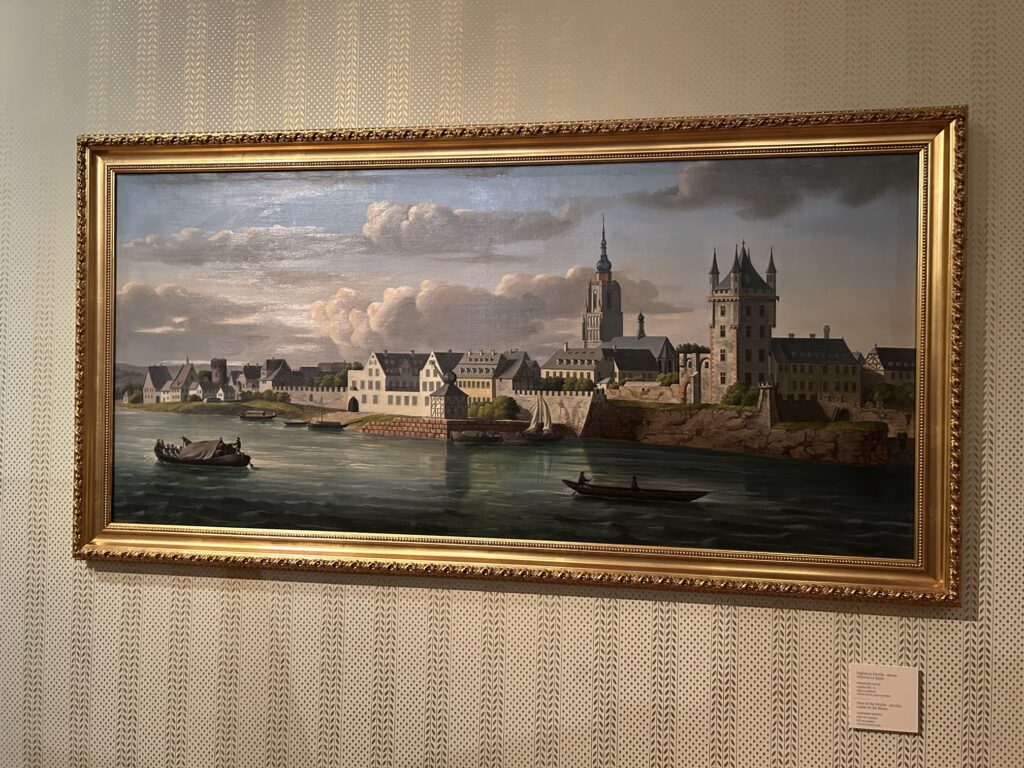
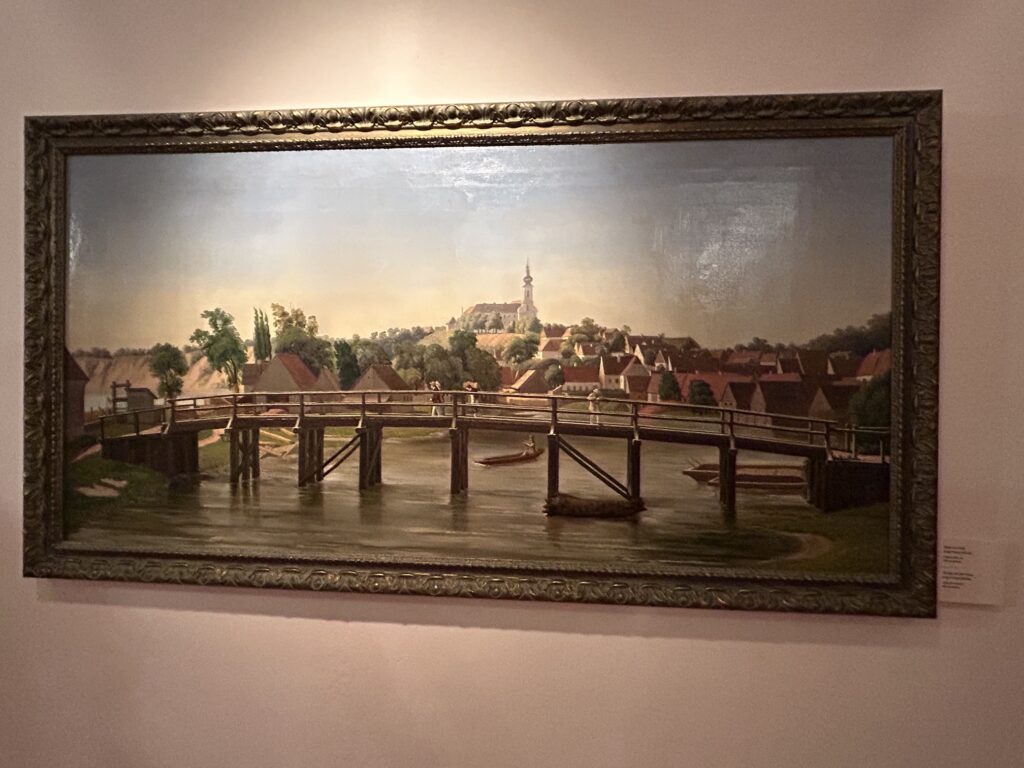
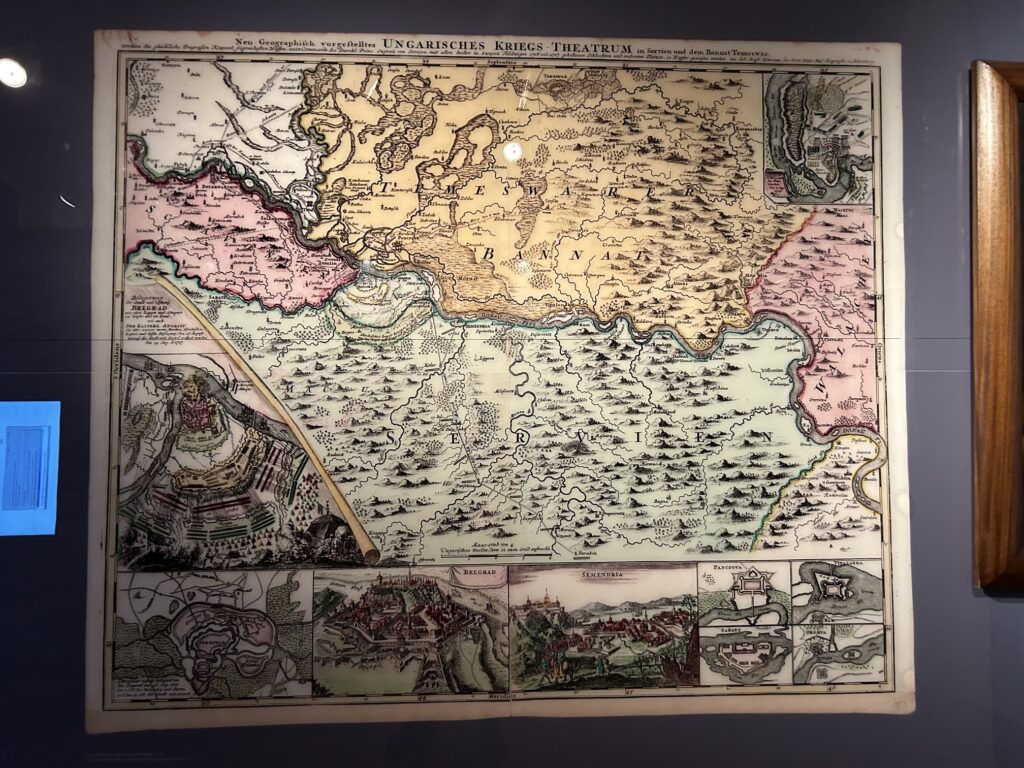
I particularly liked the old map; I have an ongoing fascination for maps and the old ones help to illustrate the changing boundaries and therefore history of the region.
And what about the Balkans War you may ask. This is the first of the countries which were involved in that terrible time. I was privileged enough to visit Croatia when it was still part of Yugoslavia. Tito had died, but at that time – it was 1980 – it still appeared to be a happily integrated country. We were in Cavtat, not far from Dubrovnik and also visited Mostar to see the famous bridge which was later destroyed in that war. There were many Yugoslavians also holidaying in Cavtat and we thought no more of it until the war broke out several years later. It is so much closer to home when you have been somewhere and this happens. So there we were again, albeit in a different part of Croatia, wondering how the populace feels about it all these days, yet not feeling free to ask.
As it was, our tour guide did share, as did several more over the following days. The Croatians were very unhappy with what the Serbs did but were slow to criticize today’s citizens. As it was a combined country at the start there were Serbs living in Croatia and vice versa, and as is often the case, there were good people as well as bad, regardless of ethnicity. The overriding thing we learned on this cruise is that the whole region we went through has been subject to conflict for thousands of years due to its being a critical gateway from east to west, combined with large tracts of desirable fertile land.